Enterprise technology environments are growing more complex with each passing year. Organizations are managing interconnected systems that span cloud platforms, legacy infrastructure, APIs, data ecosystems, and third-party services. While this complexity is necessary for innovation and scale, it also introduces a significant challenge—fragmentation in Solution Architecture.
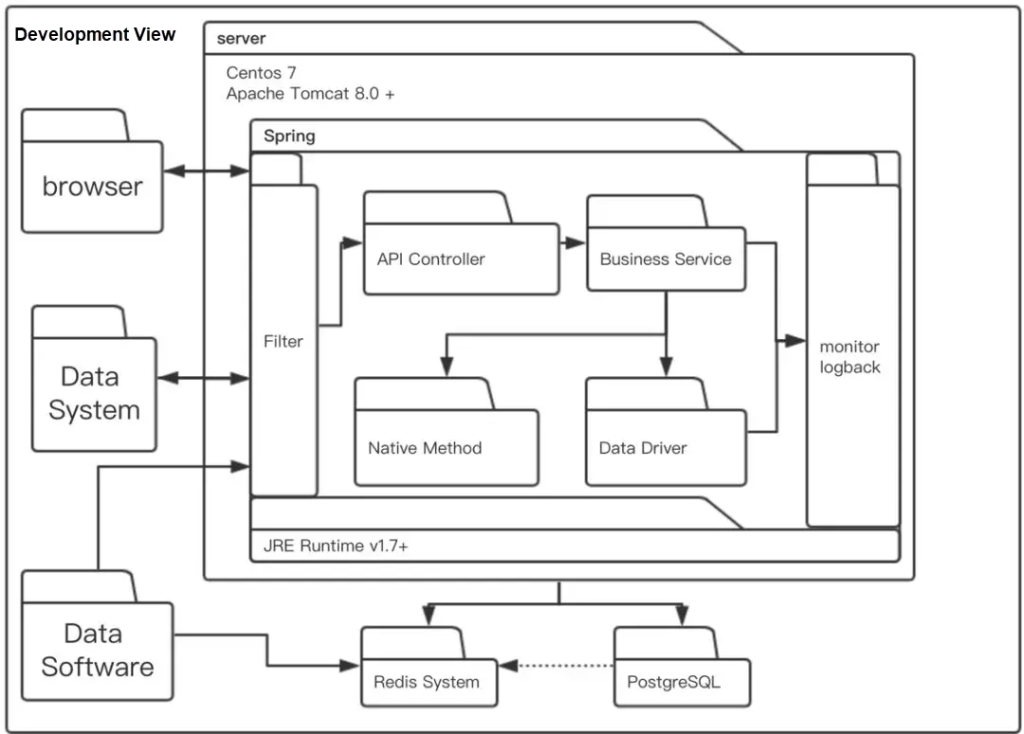
Fragmentation does not occur overnight. It develops gradually as teams adopt different tools, define requirements in isolation, and design systems without a unified approach. Over time, this lack of cohesion leads to inconsistencies in architecture, inefficiencies in execution, and increased risk across the enterprise.
A structured Solution Architecture Design approach is essential to address this fragmentation. By introducing consistency, traceability, and alignment across the architecture lifecycle, organizations can build systems that are scalable, reliable, and aligned with business objectives.
Understanding Fragmentation in Enterprise Architecture
Fragmentation in Solution Architecture refers to the disconnect between different elements of system design. Requirements, architecture diagrams, documentation, and implementation workflows often exist in silos, making it difficult to maintain a cohesive view of the system.
This fragmentation can manifest in several ways:
- Requirements captured in multiple formats without standardization
- Architecture diagrams that are inconsistent or outdated
- Documentation that does not reflect the current system state
- Disconnected tools used by different teams
- Lack of visibility into system dependencies
These issues create an environment where architects and stakeholders operate without a shared understanding of the system, increasing the likelihood of errors and misalignment.
How Fragmentation Enters the Architecture Lifecycle
Fragmentation often begins at the earliest stages of the architecture lifecycle. When Solution Requirements Management is not standardized, requirements are captured in an ad hoc manner. Different teams may document requirements differently, leading to inconsistencies in interpretation.
As the project progresses, these inconsistencies are carried forward into Technical Architecture Design. Architects may design components based on incomplete or conflicting inputs, resulting in gaps in the architecture.
The problem is further compounded when architecture artifacts are created using separate tools. For example, diagrams may be created in one tool, documentation in another, and requirements tracked elsewhere. Without a centralized Solution Architecture Platform, these artifacts are not synchronized, leading to fragmentation.
The Impact of Fragmentation on Scalability and Reliability
Fragmented Solution Architecture Design has a direct impact on system scalability and reliability. When dependencies are not clearly defined, systems may fail to handle increased workloads or complex integrations.
Scalability requires a clear understanding of how different components interact. Without structured Technical Architecture Design, architects may overlook critical dependencies, resulting in performance bottlenecks and system failures.
Reliability is also affected when architecture components are not aligned. Inconsistent designs can lead to integration issues, data inconsistencies, and operational challenges. These problems often surface during implementation or production, where they are more costly to resolve.
A structured Solution Architecture Blueprint addresses these issues by providing a comprehensive and consistent view of the system, enabling better planning and execution.
Gaps in Technical Architecture Design
Technical Architecture Design is one of the areas most affected by fragmentation. In unstructured environments, architects often focus on individual components without considering the broader system context.
This approach leads to several challenges:
- Incomplete modeling of system interactions
- Overlooked integration points
- Inconsistent technology choices
- Lack of standardization across architecture components
A structured approach ensures that Technical Architecture Design is holistic and aligned with business requirements. It enables architects to design systems that are not only functional but also scalable and maintainable.
A Solution Architecture Tool can support this process by providing a unified environment for modeling system components and their relationships.
Lack of Visibility into Dependencies
Modern enterprise systems rely heavily on integrations between applications, data sources, and external services. These integrations create dependencies that must be carefully managed.
In fragmented environments, these dependencies are often not fully documented or understood. This lack of visibility can lead to unexpected issues during implementation, such as integration failures or performance bottlenecks.
Structured Solution Architecture Design emphasizes dependency mapping as a core activity. By identifying and documenting dependencies early, organizations can design systems that are more resilient and easier to maintain.
Architecture Diagram Generation plays a critical role in visualizing these dependencies, making it easier for stakeholders to understand the system structure.
Disconnected Documentation and Its Risks
Documentation is a critical component of Solution Architecture, but it is often one of the most neglected areas. In fragmented environments, documentation is created manually and updated inconsistently.
This leads to several risks:
- Outdated or inaccurate documentation
- Loss of knowledge over time
- Increased onboarding challenges
- Difficulty in troubleshooting issues
Architecture Documentation Automation addresses these challenges by ensuring that documentation is continuously updated as the architecture evolves. This keeps the Solution Architecture Blueprint aligned with the actual system design, reducing confusion and improving operational efficiency.
Collaboration Challenges Across Teams
Architecture design is inherently collaborative, involving multiple stakeholders across the organization. However, fragmentation creates barriers to effective collaboration.
Different teams may use different tools, follow different processes, and have different interpretations of the architecture. This lack of alignment leads to miscommunication and delays in decision-making.
An Architecture Collaboration Platform provides a centralized environment where stakeholders can work together on Solution Architecture Design. It enables real-time collaboration, feedback, and alignment, ensuring that all teams are working toward a common goal.
The Role of a Centralized Solution Architecture Platform
A centralized Solution Architecture Platform is key to eliminating fragmentation. It provides a single source of truth for all architecture artifacts, including requirements, diagrams, and documentation.
By integrating these elements into a unified environment, organizations can ensure consistency and alignment across the architecture lifecycle.
Key capabilities of a Solution Architecture Platform include:
- Structured Solution Requirements Management
- Integrated Architecture Diagram Generation
- Automated Architecture Documentation
- Collaboration and governance workflows
- Traceability across requirements and design
These capabilities enable organizations to move from fragmented processes to a cohesive and efficient architecture framework.
Standardizing Architecture Workflows
Standardization is essential for reducing fragmentation. A structured Solution Architecture Design approach defines clear workflows for each stage of the architecture lifecycle.
These workflows ensure that:
- Requirements are captured consistently
- Architecture designs follow standardized practices
- Documentation is maintained systematically
- Changes are managed effectively
Standardization not only improves consistency but also reduces the learning curve for new team members, enabling faster onboarding and better productivity.
Improving Cross-Team Alignment
Alignment across teams is critical for successful architecture design. A structured approach ensures that all stakeholders have a shared understanding of the system.
This is achieved through:
- Clear and consistent architecture artifacts
- Standardized communication methods
- Centralized access to information
By improving alignment, organizations can reduce misunderstandings and ensure that architecture decisions are implemented correctly.
Reducing Rework and Delivery Delays
One of the most significant consequences of fragmentation is rework. When architecture designs are incomplete or inconsistent, issues are often discovered during implementation.
These issues require redesign and reimplementation, leading to delays and increased costs.
Structured Solution Architecture Design minimizes these risks by ensuring that all requirements, dependencies, and constraints are addressed upfront. This enables smoother execution and reduces the likelihood of unexpected issues.
The Role of AI-Assisted Solution Architecture
AI-Assisted Solution Architecture is emerging as a powerful tool for addressing fragmentation. AI technologies can analyze requirements, identify patterns, and support Architecture Blueprint Generation.
An AI Architecture Design Tool can automate tasks such as Architecture Diagram Generation and Architecture Documentation Automation, ensuring consistency across artifacts.
AI-assisted Technical Architecture Blueprint generation further enhances the design process by providing structured and comprehensive outputs. This reduces manual effort and improves the overall quality of architecture design.
The Future of Unified Architecture Ecosystems
As enterprise systems continue to evolve, the need for unified architecture ecosystems will become increasingly important. Organizations must move beyond fragmented processes and adopt structured, integrated approaches to Solution Architecture Design.
Future architecture platforms will combine structured methodologies with AI capabilities, enabling organizations to design systems that are scalable, resilient, and aligned with business objectives.
These platforms will not only improve efficiency but also provide the foundation for continuous innovation and growth.
Conclusion
Fragmentation in enterprise architecture is a major barrier to success. It creates inconsistencies, increases risks, and limits the ability of organizations to scale effectively.
Eliminating fragmentation requires a structured approach to Solution Architecture Design. By integrating Solution Requirements Management, Technical Architecture Design, Architecture Diagram Generation, and Architecture Documentation Automation into a unified framework, organizations can create cohesive and reliable systems.
With the addition of AI-Assisted Solution Architecture, enterprises can further enhance their capabilities, enabling faster and more accurate design processes.
As complexity continues to grow, adopting a structured and integrated approach to Solution Architecture will be essential for achieving long-term success and maintaining a competitive edge.
 AI4ever
Leave a comment