As businesses move toward digital transformation, Order Management AI Agents are playing a crucial role in streamlining operations, improving accuracy, and enhancing customer satisfaction. These intelligent systems leverage machine learning (ML), natural language processing (NLP), robotic process automation (RPA), and predictive analytics to optimize order processing and fulfillment.
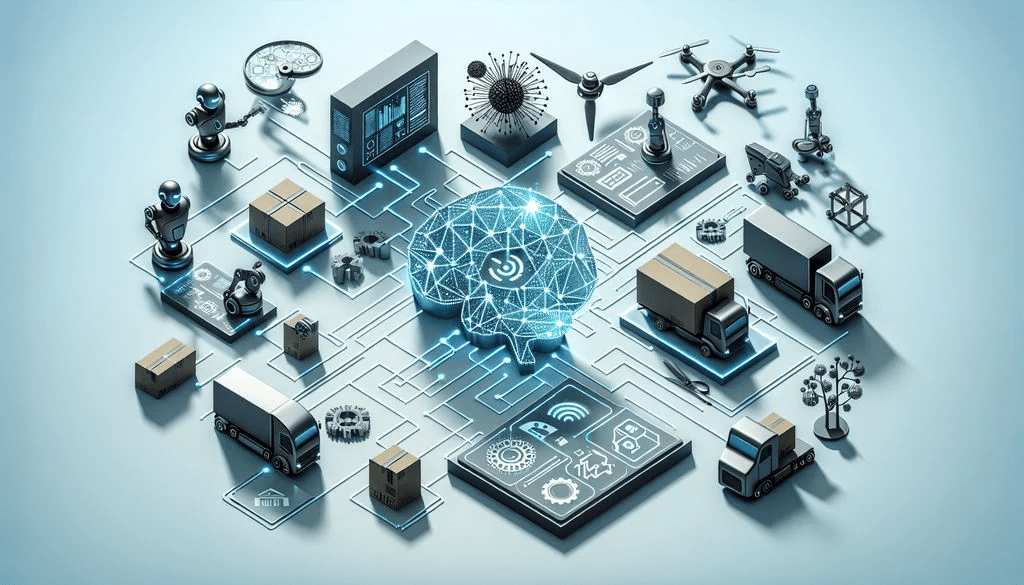
This article explores the key applications of AI-driven order management, demonstrating how businesses can benefit from automation and data-driven decision-making.
Why AI Agents Are Essential for Order Management
1. Automating Order Processing and Fulfillment
Traditional order processing requires manual data entry, which is prone to errors and inefficiencies. AI-powered order management agents automate order validation, routing, and tracking, ensuring a faster and more accurate fulfillment process.
2. Enhancing Inventory Management
AI systems predict demand patterns, track stock levels, and prevent inventory shortages or overstocking by analyzing real-time data. This ensures optimal stock levels and cost savings for businesses.
3. Optimizing Supply Chain Operations
By leveraging predictive analytics, AI agents improve supply chain efficiency by identifying bottlenecks, optimizing delivery routes, and reducing logistics costs.
4. Personalizing Customer Experience
AI-driven order management solutions analyze customer behavior and preferences to offer personalized product recommendations, order tracking updates, and proactive customer support.
5. Fraud Detection and Risk Mitigation
AI-powered fraud detection tools analyze transactional data, detect anomalies, and flag suspicious activities in real-time to prevent fraudulent transactions.
Key Applications of Order Management AI Agents
1. Real-Time Order Tracking and Status Updates
AI agents enable real-time tracking of orders, providing customers with instant status updates via email, SMS, or chatbot notifications.
2. Intelligent Order Routing and Prioritization
AI-driven order management systems assess multiple factors such as inventory location, shipping cost, and delivery timelines to prioritize and route orders efficiently.
3. AI-Powered Chatbots for Order Assistance
Conversational AI and chatbots assist customers with order placement, modifications, and inquiries, ensuring seamless interactions and reducing the burden on human agents.
4. Automated Returns and Refund Management
AI streamlines the returns process by validating return requests, generating return shipping labels, and automating refund approvals, leading to faster resolutions and improved customer satisfaction.
5. Voice-Activated Order Management
With the rise of voice commerce, AI-powered voice assistants help customers place, modify, or track orders through voice commands on smart devices.
6. AI-Driven Demand Forecasting
AI agents analyze historical sales data, market trends, and seasonal demand patterns to predict future demand, helping businesses optimize inventory levels and prevent stockouts.
7. Dynamic Pricing and Promotions
AI-driven dynamic pricing algorithms adjust product prices based on market demand, competitor pricing, and customer behavior, maximizing revenue while maintaining competitiveness.
8. AI-Powered Supply Chain Resilience
AI order management agents identify potential supply chain disruptions, suggest alternative suppliers, and optimize procurement strategies to mitigate risks.
9. Smart Warehouse Automation
AI enhances warehouse management by automating order picking, packing, and dispatching using robotics and AI-driven logistics software.
10. AI-Driven Performance Analytics and Insights
Order management AI tools generate actionable insights on order fulfillment efficiency, customer satisfaction, and operational bottlenecks, enabling businesses to improve their processes.
Challenges in Implementing AI Order Management Agents
1. High Initial Investment
AI-powered order management systems require significant investments in infrastructure, software, and training.
2. Data Security and Compliance Concerns
Handling sensitive customer data requires compliance with GDPR, CCPA, and other data protection laws to prevent cybersecurity threats.
3. Integration with Legacy Systems
Many businesses struggle with integrating AI solutions into outdated order management software, necessitating system modernization.
4. Workforce Adaptation and Resistance to AI
Training employees to work alongside AI-driven systems is crucial to ensure smooth adoption and minimize job displacement concerns.
How Businesses Can Successfully Implement AI Order Management Agents
1. Choose the Right AI Order Management Solution
Businesses should evaluate AI-powered order management platforms based on scalability, integration capabilities, and automation features.
2. Ensure Seamless AI Integration with Existing Systems
AI solutions should seamlessly integrate with ERP, CRM, and supply chain platforms to enable real-time data exchange and automation.
3. Train Employees for AI Adoption
Providing AI training and workshops ensures that employees can work efficiently with AI-powered order management systems.
4. Prioritize Data Security and Compliance
Companies must implement strict cybersecurity measures and adhere to data protection regulations to safeguard customer data.
Conclusion
The applications of AI in order management are revolutionizing the way businesses process, track, and fulfill orders. From automated order processing and fraud detection to AI-driven chatbots and predictive analytics, AI agents significantly enhance efficiency and customer experience.
Businesses that embrace AI-powered order management solutions will gain a competitive edge, reduce operational costs, improve order accuracy, and streamline supply chain operations.
 AI4ever
Leave a comment