Generative AI has recently emerged as a game-changer in numerous industries, and regulatory compliance is no exception. Traditional compliance processes are often manual, resource-intensive, and prone to errors due to the complexity and volume of regulations that businesses need to follow. Generative AI offers the potential to streamline compliance workflows, automate time-consuming tasks, and enhance accuracy in regulatory reporting and monitoring. This article delves into the significant impact of generative AI in regulatory compliance, exploring its transformative potential, applications, and future directions.
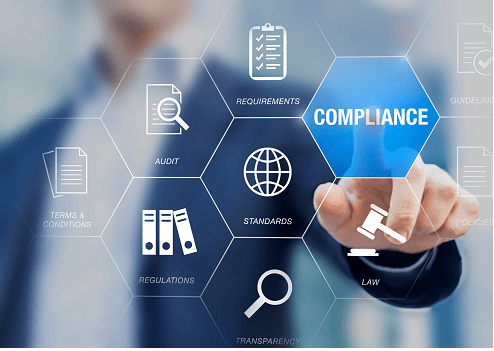
What Is Generative AI in the Context of Regulatory Compliance?
Generative AI, a subset of artificial intelligence, is primarily focused on creating new data or content based on existing datasets. Using advanced machine learning techniques, generative AI models can analyze vast amounts of data to generate insights, produce summaries, or automate processes that were previously manual. In regulatory compliance, generative AI is applied to streamline procedures, generate accurate reports, monitor regulatory changes in real-time, and enhance decision-making through predictive analytics.
The use of gen AI in regulatory compliance not only improves operational efficiency but also helps businesses adapt to the constantly evolving landscape of laws and regulations. By leveraging AI capabilities, companies can proactively address compliance challenges, reduce the risk of penalties, and allocate resources more effectively.
Key Impacts of Generative AI in Regulatory Compliance
1. Automation of Compliance Processes
One of the primary impacts of generative AI in regulatory compliance is the automation of repetitive and time-consuming tasks. Traditional compliance operations involve extensive document review, data entry, and report generation, which are typically labor-intensive and prone to human error. Generative AI models can automate these processes, making them more efficient and accurate.
For instance, generative AI can automatically review legal documents, flagging specific clauses or conditions that might be non-compliant. It can also compile data from multiple sources to generate compliance reports with minimal human intervention. By automating these processes, organizations can save time, reduce operational costs, and improve the accuracy of compliance activities.
Benefits:
- Reduced manual labor and operational costs
- Enhanced accuracy in compliance reporting
- Faster completion of compliance tasks
2. Real-Time Regulatory Monitoring and Adaptation
Regulations are constantly evolving, and companies often struggle to keep up with the pace of change. Missing updates or misinterpreting new regulatory guidelines can result in costly penalties and reputational damage. Generative AI addresses this issue through real-time monitoring capabilities, scanning regulatory websites, industry publications, and legal databases for any changes or updates.
Generative AI tools can be programmed to analyze and interpret new regulations, generating compliance action plans and notifying relevant departments about changes. This proactive approach helps companies stay up-to-date with the latest regulatory requirements and adapt their processes quickly to maintain compliance.
Benefits:
- Proactive compliance adjustments based on real-time updates
- Reduced risk of non-compliance due to missed regulations
- Increased agility in responding to regulatory changes
3. Enhanced Risk Assessment and Fraud Detection
Risk assessment is a critical component of regulatory compliance, especially for financial institutions, healthcare organizations, and other heavily regulated industries. Generative AI models can analyze historical compliance data, identify potential risk factors, and even predict future risks using pattern recognition and machine learning.
For example, generative AI can detect irregular transaction patterns indicative of fraud, money laundering, or other suspicious activities, flagging them for further investigation. By identifying risks early, companies can take proactive measures to mitigate potential threats, reducing their exposure to regulatory penalties.
Benefits:
- Improved risk detection and fraud prevention
- Data-driven insights for better risk management
- Reduced likelihood of regulatory violations
4. Automated Report Generation and Regulatory Filing
Regulatory reporting is a necessary but resource-intensive aspect of compliance management. Compliance officers need to gather, organize, and submit data to various regulatory bodies, which can be tedious and time-consuming. Generative AI solutions streamline this process by automating data collection, organization, and report generation.
For instance, in financial services, generative AI can aggregate transaction data, analyze it, and format it according to regulatory requirements. This automation not only saves time but also reduces the potential for human error in report creation, ensuring accuracy and compliance with regulatory standards.
Benefits:
- Faster and more efficient report generation
- Reduced human error in regulatory filing
- Greater accuracy in meeting regulatory submission requirements
5. Predictive Compliance and Scenario Analysis
In industries where regulations are highly complex, businesses must anticipate potential regulatory changes to stay compliant and competitive. Generative AI enables predictive compliance by analyzing historical data and trends to forecast potential changes in regulatory requirements. This capability helps businesses prepare for new regulations in advance, reducing the impact of sudden changes on their operations.
For example, predictive analytics powered by generative AI can simulate various compliance scenarios, helping companies understand the implications of new regulations. This foresight enables compliance teams to develop proactive strategies and allocate resources effectively, minimizing disruptions to operations.
Benefits:
- Improved preparedness for regulatory changes
- More strategic compliance planning
- Reduced operational disruptions due to new regulations
6. Enhanced KYC and Customer Due Diligence Processes
Know Your Customer (KYC) and customer due diligence processes are essential for industries such as banking, insurance, and finance, where regulatory compliance is heavily enforced. These processes involve identity verification, background checks, and risk assessments to ensure customers meet regulatory standards.
Generative AI can automate these processes by quickly analyzing customer data, cross-referencing it with external databases, and generating risk profiles. This automation speeds up customer onboarding and enhances accuracy in detecting fraudulent activities, ultimately supporting compliance with regulatory requirements.
Benefits:
- Faster and more accurate KYC processes
- Improved fraud detection and risk assessment
- Enhanced customer onboarding experience
7. Customized Compliance Training and Knowledge Sharing
Training employees on regulatory requirements is crucial for maintaining compliance, but generic training programs may not be effective for all roles within an organization. Generative AI can analyze employee roles and responsibilities, generating personalized compliance training programs tailored to specific needs.
AI-driven platforms can also track employee progress and identify areas where additional training is required, providing ongoing education that keeps staff informed about evolving regulations. By fostering a culture of compliance, generative AI helps organizations reduce compliance risks stemming from human error.
Benefits:
- Personalized training for employees based on roles
- Improved compliance awareness across the organization
- Reduced risk of compliance breaches due to human error
8. Improved Data Privacy and Compliance with GDPR
Data privacy regulations such as the General Data Protection Regulation (GDPR) have made compliance even more challenging. Generative AI supports compliance by enhancing data privacy practices, enabling businesses to identify, manage, and protect personal data in compliance with GDPR and similar regulations.
AI-driven solutions can analyze data usage patterns, identify non-compliant data handling practices, and generate recommendations to improve data privacy policies. This ensures that organizations not only protect sensitive customer information but also avoid penalties related to data privacy violations.
Benefits:
- Enhanced data privacy and security practices
- Reduced risk of GDPR and data privacy violations
- Better management of customer data compliance
9. Blockchain Integration for Transparent Audit Trails
While not an inherent function of generative AI, integrating AI with blockchain technology can significantly enhance audit trail transparency. Blockchain’s immutable ledger provides a secure, tamper-proof record of compliance activities, while generative AI can analyze and audit these records.
For example, in industries where audit trails are crucial, such as finance and healthcare, blockchain can store compliance actions and AI can analyze this data for anomalies or compliance gaps. This integration offers a reliable, transparent system for tracking and verifying compliance activities, further boosting regulatory credibility.
Benefits:
- Immutable audit trails for regulatory compliance
- Increased transparency in compliance actions
- Improved ability to respond to audits and investigations
10. Continuous Learning and Adaptive Compliance Systems
Regulatory compliance is a dynamic process, requiring organizations to continuously adapt to new regulations and best practices. Generative AI systems with adaptive learning capabilities can improve over time by analyzing new data and adjusting compliance protocols automatically.
For instance, adaptive AI models can learn from historical compliance incidents and refine their algorithms to prevent similar issues in the future. This continuous learning capability ensures that compliance systems remain effective, reducing the need for frequent manual updates and improving long-term regulatory performance.
Benefits:
- Improved adaptability to regulatory changes
- Reduced need for manual compliance updates
- Continuous improvement in compliance effectiveness
Challenges of Implementing Generative AI in Regulatory Compliance
While generative AI offers numerous benefits, its implementation in regulatory compliance does come with challenges. Issues such as data privacy, integration complexity, and the need for high-quality data can hinder AI adoption. Additionally, businesses must address ethical concerns surrounding AI decision-making and ensure transparency in compliance processes.
Organizations should prioritize a phased approach to generative AI adoption, starting with smaller, high-impact applications and gradually expanding usage as AI systems demonstrate value. By investing in data quality, privacy measures, and employee training, companies can overcome implementation hurdles and unlock the full potential of generative AI in compliance.
Conclusion
The impact of generative AI in regulatory compliance is transformative, offering unprecedented efficiencies in automation, risk assessment, and real-time monitoring. As AI continues to evolve, businesses can expect even more sophisticated compliance solutions that reduce costs, minimize risks, and improve operational agility.
Generative AI represents a strategic advantage for organizations seeking to navigate complex regulatory landscapes. By adopting AI-powered compliance tools, companies can not only achieve greater regulatory accuracy but also foster a culture of proactive compliance. In the rapidly changing world of regulations, generative AI is an essential ally, driving the future of regulatory compliance toward greater efficiency, security, and adaptability.
 AI4ever
Leave a comment