Introduction
Internal audit functions play a pivotal role in ensuring the accuracy, transparency, and compliance of an organization’s financial and operational processes. However, with growing data volumes and complexity in regulatory requirements, traditional internal audit methods are increasingly challenged. Enter generative AI—an innovative technology that offers the ability to transform how internal audits are conducted, making them more efficient, insightful, and forward-looking.
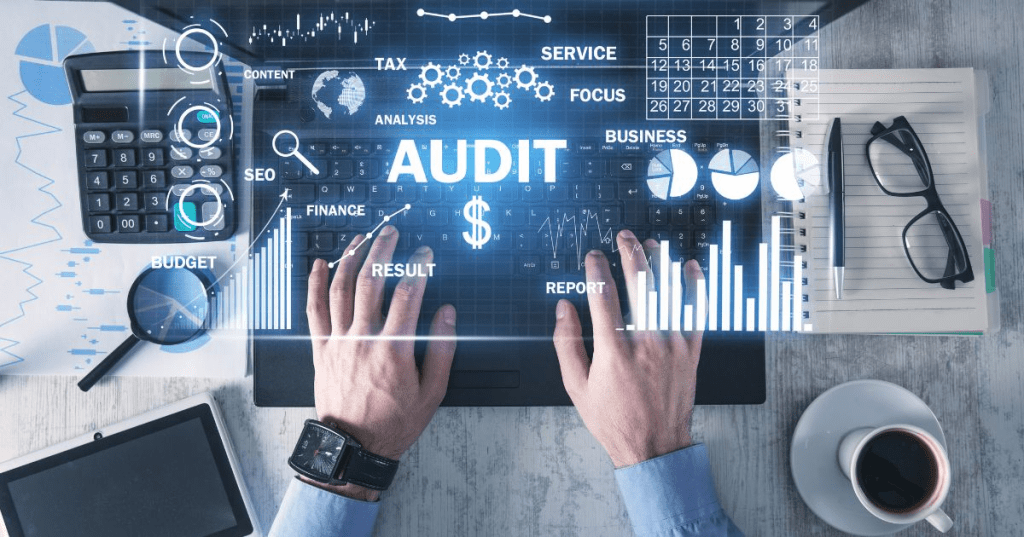
This article delves into the role of generative AI in internal auditing, exploring its key features, benefits, and the future it holds for organizations striving for better governance, risk management, and compliance.
What is Generative AI in Internal Audit?
Generative AI, a branch of artificial intelligence that uses algorithms to produce new content or insights, has found its place in multiple industries. In the realm of internal audit, generative AI can analyze vast amounts of structured and unstructured data to deliver meaningful insights, identify risks, and even generate reports. By leveraging machine learning models, generative AI helps internal auditors to not only perform audits more efficiently but also enhance predictive capabilities, which can anticipate potential risks and suggest mitigations.
Features of Generative AI in Internal Audit
Generative AI brings a host of features to internal audit, making it an essential tool for organizations looking to streamline and future-proof their auditing processes. These features include:
1. Automated Data Analysis
One of the most significant challenges in internal audit is analyzing large datasets quickly and accurately. Generative AI automates the process of data analysis by scanning through enormous datasets in minutes, ensuring that nothing gets overlooked. The ability to sift through both structured and unstructured data provides a more comprehensive audit, reducing the chances of errors.
2. Continuous Monitoring and Real-Time Auditing
Traditionally, internal audits are periodic, meaning risks or discrepancies are often identified after the fact. Generative AI can enable continuous auditing, where data is constantly monitored in real-time, and anomalies are flagged immediately. This shift from periodic to continuous auditing allows organizations to respond to risks proactively rather than reactively.
3. Predictive Risk Assessment
Generative AI uses predictive analytics to assess risks by analyzing historical and real-time data. By spotting trends and patterns, AI can predict potential future risks that may not be immediately apparent. This gives internal auditors a strategic advantage, enabling them to take pre-emptive actions to mitigate these risks before they escalate.
4. Natural Language Processing (NLP) for Reporting
Generative AI’s Natural Language Processing (NLP) capabilities allow it to generate comprehensive audit reports in clear, readable language. This means that auditors no longer need to spend countless hours compiling and interpreting data manually. With the click of a button, the AI can generate reports that are easy to understand, ensuring that key insights are effectively communicated to stakeholders.
5. Fraud Detection and Prevention
Generative AI’s anomaly detection algorithms can flag unusual transactions or patterns in real-time, helping organizations identify and prevent fraudulent activities. By learning from past fraud incidents, AI can continually improve its detection capabilities, ensuring a robust fraud-prevention mechanism is in place.
Benefits of Generative AI in Internal Audit
The integration of generative AI into internal audit brings numerous benefits, all of which contribute to enhanced accuracy, efficiency, and foresight. Below are some of the key benefits:
1. Increased Audit Efficiency
Automating Routine Tasks
Generative AI can automate the repetitive and manual tasks that often consume internal auditors’ time. From data collection and analysis to report generation, AI handles these processes efficiently, freeing up auditors to focus on more strategic areas such as risk assessment and mitigation.
Speeding Up Audits
AI can process vast datasets much faster than human auditors. This speed not only increases efficiency but also allows internal audits to be conducted more frequently. With real-time auditing capabilities, organizations can address issues as they arise rather than waiting for the next audit cycle.
2. Improved Accuracy
Reducing Human Error
By automating many manual processes, generative AI significantly reduces the risk of human error in data analysis and reporting. AI systems are not prone to fatigue, oversight, or bias, ensuring that audit findings are more accurate and reliable.
Enhanced Data Accuracy
With the ability to analyze vast datasets at scale, generative AI ensures that data discrepancies are identified and resolved in real-time, improving the overall accuracy of the internal audit process. It eliminates the risk of errors that can occur when humans manually analyze complex datasets.
3. Better Risk Management
Proactive Risk Identification
One of the standout benefits of generative AI is its ability to predict and identify risks before they manifest. By continuously analyzing trends and patterns in financial and operational data, AI can highlight potential risks early on, allowing internal auditors to take corrective actions proactively.
Fraud Prevention
AI systems can be trained to recognize the warning signs of fraudulent activities by analyzing transactional data for anomalies. With real-time fraud detection capabilities, organizations can quickly act to prevent fraud before it causes significant damage.
4. Cost Savings
Generative AI’s automation capabilities result in significant cost savings for organizations. By reducing the manual effort involved in audits and minimizing the need for periodic, large-scale audits, companies can lower their overall audit expenses. Furthermore, the ability to detect and mitigate risks early can save organizations from costly compliance violations and fraud-related losses.
The Future of Generative AI in Internal Audit
1. AI-Driven Decision Making
In the future, internal audit functions will increasingly rely on AI-generated insights to guide decision-making processes. Generative AI’s ability to analyze massive amounts of data in real-time will enable auditors to provide more strategic guidance to business leaders, enhancing the role of internal audit as a key driver of business success.
2. Advanced Predictive Analytics
The predictive capabilities of generative AI will continue to evolve, allowing internal auditors to forecast risks with even greater accuracy. By identifying emerging risks early, auditors can play a more proactive role in helping businesses avoid pitfalls and capitalize on opportunities.
3. Greater Integration with Business Systems
As generative AI becomes more sophisticated, it will be increasingly integrated with an organization’s broader business systems, including enterprise resource planning (ERP), human resource management (HRM), and supply chain management (SCM) systems. This integration will enable even more comprehensive audits that provide a complete picture of an organization’s operations.
4. AI-Powered Audit Platforms
The future of internal audit will likely include AI-powered audit platforms that combine generative AI, machine learning, and automation to deliver seamless, real-time auditing solutions. These platforms will not only automate data collection and analysis but also provide auditors with actionable insights and recommendations to enhance decision-making.
Challenges of Implementing Generative AI in Internal Audit
1. Data Privacy and Security
As generative AI systems analyze sensitive financial and operational data, organizations must ensure that robust data privacy and security measures are in place. Compliance with regulations such as the General Data Protection Regulation (GDPR) is essential to safeguard sensitive information.
2. Employee Resistance
The introduction of AI into internal audit may face resistance from employees who fear that automation could lead to job displacement. To mitigate this resistance, organizations should emphasize the collaborative nature of AI, where technology complements human skills rather than replacing them.
3. AI Training and Maintenance
Like any AI system, generative AI models need to be continuously trained and updated to ensure accuracy and relevance. Organizations must invest in the necessary resources to maintain and refine their AI systems to keep pace with evolving audit needs.
Conclusion
The integration of generative AI in internal audit is poised to revolutionize the way organizations conduct audits, manage risks, and ensure compliance. By automating routine tasks, enhancing predictive capabilities, and providing real-time insights, generative AI platform is transforming internal audit into a more proactive and strategic function.
As generative AI continues to evolve, its role in internal audit will only grow more significant, helping organizations not only identify and mitigate risks but also drive business success through data-driven decision-making. Organizations that embrace AI-driven audit solutions today will be better positioned to navigate the complex and dynamic business environment of the future.
 AI4ever
Leave a comment