Artificial Intelligence (AI) has become an integral part of many industries, and the entertainment sector is no exception. From content creation and production to audience engagement and distribution, AI is reshaping how entertainment is produced, consumed, and personalized. This technological shift has profound implications for both creators and consumers, making entertainment more immersive, efficient, and tailored to individual preferences.
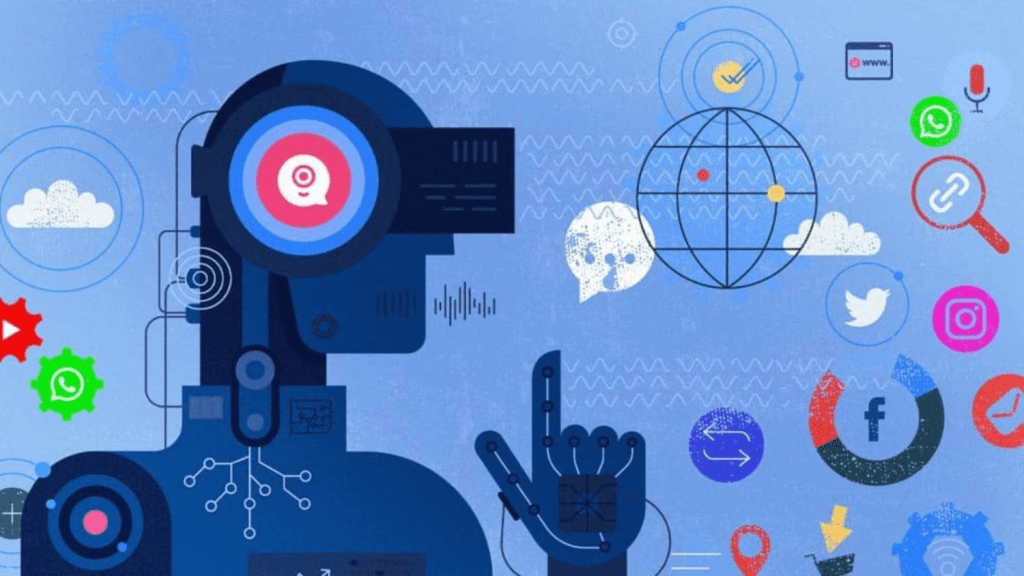
In this article, we explore the impact of AI in the entertainment industry, highlighting how it is transforming various aspects like film production, music, gaming, and media consumption, as well as the ethical considerations that come with this technological revolution.
Introduction: AI and Its Role in the Entertainment Industry
The entertainment industry has always been a hub of innovation, from the advent of motion pictures to the rise of digital media. Now, AI is the latest force driving a new wave of transformation. Through machine learning, neural networks, and natural language processing (NLP), AI offers solutions that make entertainment more efficient, personalized, and innovative.
Areas AI is Transforming:
- Film and TV Production: Automating editing, visual effects, and even scriptwriting.
- Music: AI tools that generate music tracks and assist musicians in their creative process.
- Gaming: AI-powered character behavior, dynamic environments, and procedural generation.
- Audience Personalization: AI recommendation engines that predict and suggest content based on user preferences.
As AI tools evolve, their role in entertainment continues to expand, offering limitless opportunities for creativity and user engagement.
AI in Content Creation
AI has revolutionized content creation by enabling new ways to produce music, movies, animations, and even scripts. With its ability to analyze large datasets and identify patterns, AI allows creators to enhance productivity, reduce costs, and deliver high-quality content faster.
AI in Film and TV Production
AI is transforming the way films and TV shows are produced. From script generation to post-production editing, AI algorithms are making the creative process faster and more efficient.
AI in Scriptwriting
AI models like GPT-4 and other natural language processing tools are used to assist in scriptwriting by generating dialogue, creating plotlines, and even suggesting character arcs. These models analyze past successful films and can predict elements that resonate with audiences.
Example:
Warner Bros. employed an AI tool to help make decisions during the scriptwriting and editing process, offering data-driven insights about what might work best for a particular audience.
AI-Generated Music
AI-generated music has also gained traction, with algorithms capable of composing original music tracks in a variety of genres. Musicians and non-musicians alike can use AI to compose melodies, create harmonies, and generate unique soundtracks.
Example:
OpenAI’s Jukebox is an AI-powered music generation tool that creates original songs complete with lyrics and melodies, using a massive dataset of existing songs to train its model.
AI in Animation and Special Effects
In the animation and visual effects (VFX) industry, AI is used to render complex animations, create realistic character models, and produce high-quality special effects. AI-driven tools help reduce manual labor and shorten production timelines.
Example:
DeepMind’s WaveNet and Adobe Sensei are AI tools used for creating realistic facial animations and visual effects, making them popular among animation studios and filmmakers.
AI in Audience Personalization
One of the most significant impacts of AI in entertainment is its ability to personalize user experiences. AI allows streaming services, social media platforms, and even traditional broadcasters to tailor content to individual preferences, leading to higher engagement and customer satisfaction.
Recommendation Engines and Content Discovery
AI algorithms power recommendation engines used by platforms like Netflix, YouTube, and Spotify to analyze user behavior and suggest content based on past interactions. These engines use collaborative filtering, NLP, and machine learning models to create personalized recommendations.
Example:
Netflix’s recommendation engine is powered by a combination of machine learning and data analytics, which analyzes viewing habits and makes tailored content suggestions, leading to a more engaging experience for users.
AI in Marketing and Advertising
In addition to personalized content recommendations, AI is revolutionizing how entertainment companies market and advertise their products. By analyzing consumer behavior, preferences, and demographic information, AI tools can create highly targeted advertising campaigns that are more likely to succeed.
Example:
AI-driven programmatic advertising platforms automatically place ads based on real-time data, ensuring that the right content reaches the right audience at the right time.
AI in Gaming
AI is a major player in the gaming industry, influencing everything from the behavior of non-playable characters (NPCs) to the generation of entire game worlds. With AI’s ability to adapt to player behavior and create dynamic environments, the gaming experience is more immersive than ever.
Procedural Content Generation
In many modern games, AI is used for procedural content generation, where levels, environments, and even characters are created dynamically, making each gaming experience unique.
Example:
Games like No Man’s Sky use AI algorithms to generate an entire universe filled with procedurally generated planets, flora, and fauna, offering endless exploration possibilities for players.
AI-Driven Game Characters
AI is also used to make game characters more intelligent and lifelike. NPCs powered by AI can adapt to player behavior, respond to different strategies, and interact with players in dynamic ways.
Example:
In The Last of Us Part II, AI is used to give enemy characters realistic and adaptive behavior, making the game more challenging and immersive.
AI in Media Distribution
AI has revolutionized how media content is distributed, particularly through streaming platforms. By using predictive analytics, machine learning models can forecast audience preferences and optimize content delivery.
Predictive Analytics for Audience Insights
AI-driven predictive analytics tools are helping content creators understand audience trends, preferences, and behaviors. By analyzing past data, these tools help media companies predict which shows, movies, or music will resonate with their audience.
Example:
Predictive analytics tools help media companies decide the best time to release content, identify potential hits, and avoid unnecessary investments in low-performing content.
AI in Streaming Platforms
AI is also integral to streaming platforms like Netflix, Amazon Prime, and Disney+. These platforms use AI to optimize content recommendations, manage bandwidth, and even enhance video quality in real-time.
Example:
YouTube uses AI to dynamically adjust streaming quality based on the user’s internet connection, ensuring a smooth viewing experience.
Challenges and Ethical Considerations
While AI offers numerous benefits to the entertainment industry, it also presents challenges, particularly in areas like creativity and ethics.
Impact on Human Creativity
There are growing concerns about the extent to which AI might replace human creativity. While AI can assist in generating content, the fear is that its overuse could stifle original ideas and reduce the need for human input in creative processes.
Example:
AI-generated scripts or music compositions may lack the emotional depth and complexity that comes from human experiences, leading to a homogenization of creative content.
Data Privacy and Ethical Concerns
AI-powered personalization relies heavily on user data. As AI systems collect and analyze personal data to predict preferences, concerns about privacy, consent, and data security arise.
Example:
Streaming services and media companies need to ensure transparency in how they collect and use data to avoid privacy violations or misuse of personal information.
Future of AI in the Entertainment Industry
The future of AI in the entertainment industry is filled with possibilities. As AI technologies evolve, their applications in content creation, audience engagement, and media distribution will only grow more sophisticated. We can expect AI to drive further innovations in:
- Virtual Reality (VR): AI will enable more immersive and interactive virtual experiences, blending reality with AI-generated content.
- AI-Generated Films and Music: Complete movies and music albums could be created with minimal human intervention, using advanced neural networks and machine learning models.
- Hyper-Personalization: AI will offer deeper personalization by predicting not just what users want, but when and how they want to consume content.
Conclusion
AI has already had a profound impact on the entertainment industry, reshaping how content is created, distributed, and consumed. From AI-generated music and films to intelligent recommendation systems and targeted marketing campaigns, the applications of AI are vast and transformative.
While challenges like data privacy and concerns about the over-automation of creativity remain, AI is ultimately enhancing the entertainment landscape in unprecedented ways. As AI continues to evolve, the future of entertainment will be defined by increasingly personalized, immersive, and intelligent experiences, offering exciting possibilities for creators and consumers alike.
 AI4ever
Leave a comment