Artificial Intelligence (AI) is revolutionizing industries worldwide, and logistics and supply chain management are no exceptions. The complexity and scale of global supply chains make them ideal candidates for AI-driven optimization. From predictive analytics to automation and real-time monitoring, AI technologies are transforming how goods are produced, moved, and delivered. This article explores the various applications, benefits, challenges, and future trends of AI in logistics and supply chain management.
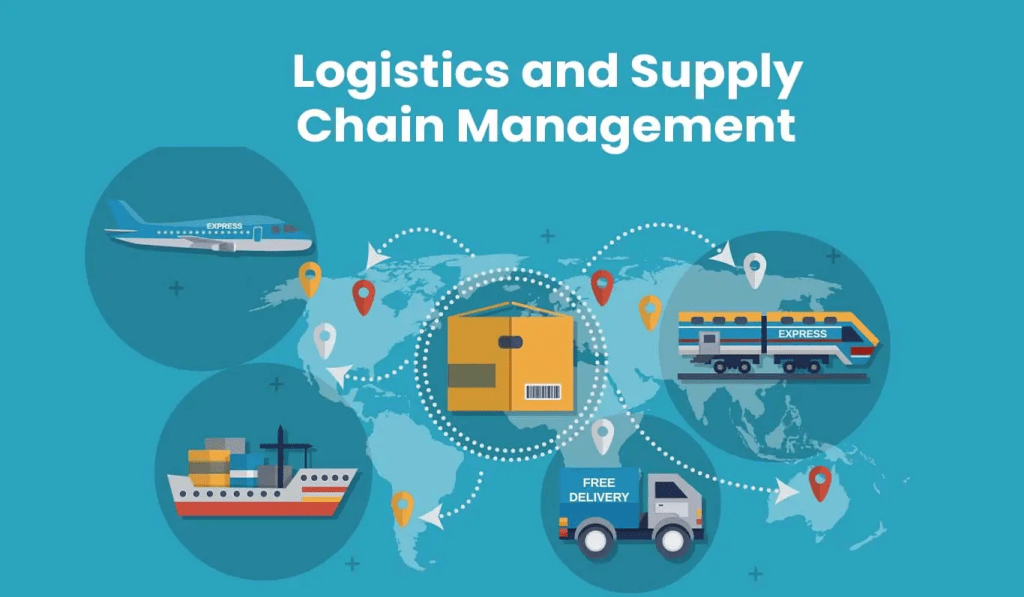
Introduction to AI in Logistics and Supply Chain
Logistics and supply chain management involve the coordination of complex processes, including procurement, production, transportation, warehousing, and delivery. These processes generate massive amounts of data, making them ripe for AI-driven solutions. AI can analyze this data to improve decision-making, optimize operations, reduce costs, and enhance customer satisfaction.
Why AI is Critical for the Future of Logistics
The global supply chain has become increasingly complex, with businesses needing to manage multiple suppliers, production sites, and distribution channels. AI’s ability to process and analyze large datasets quickly allows for better decision-making and more efficient operations. Furthermore, AI in logistics and supply chain can help companies adapt to market changes, manage risks, and meet growing customer expectations for faster and more reliable deliveries.
Key Applications of AI in Logistics and Supply Chain
AI is being applied in various aspects of logistics and supply chain management, driving innovation and efficiency across the board.
1. Demand Forecasting
Accurate demand forecasting is crucial for optimizing inventory levels, reducing waste, and ensuring that products are available when and where customers need them.
- Predictive Analytics: AI-driven predictive analytics can analyze historical sales data, market trends, and external factors such as weather patterns and economic indicators to forecast demand with greater accuracy. This enables businesses to adjust their production and inventory levels accordingly.
- Real-Time Data Integration: AI systems can integrate real-time data from various sources, including social media, news, and IoT devices, to refine demand forecasts and respond quickly to market changes.
2. Inventory Management
Effective inventory management is essential for minimizing costs and maximizing service levels. AI helps businesses maintain optimal inventory levels by predicting demand, monitoring stock levels, and automating replenishment processes.
- Automated Replenishment: AI algorithms can automatically trigger orders for replenishing stock when inventory levels reach a predefined threshold, ensuring that products are always available without overstocking.
- Smart Warehousing: AI-powered systems can optimize warehouse operations by managing inventory placement, picking, and packing processes, reducing the time and cost associated with these tasks.
3. Transportation Optimization
Transportation is a critical component of the supply chain, and AI is transforming how goods are moved from one location to another.
- Route Optimization: AI can analyze traffic patterns, weather conditions, and delivery schedules to determine the most efficient routes for transportation. This reduces fuel consumption, lowers costs, and ensures timely deliveries.
- Autonomous Vehicles: AI is driving the development of autonomous vehicles, including trucks and drones, that can transport goods with minimal human intervention. This technology has the potential to revolutionize last-mile delivery and reduce labor costs.
4. Supply Chain Visibility
Supply chain visibility is essential for tracking the movement of goods, managing risks, and ensuring compliance with regulations. AI enhances visibility by providing real-time tracking and monitoring of goods throughout the supply chain.
- IoT Integration: AI systems can integrate data from IoT devices, such as GPS trackers and sensors, to monitor the location and condition of goods in transit. This enables businesses to respond quickly to disruptions and ensure the safe delivery of products.
- Blockchain for Transparency: AI can work in conjunction with blockchain technology to create transparent and tamper-proof records of transactions and movements within the supply chain. This enhances trust and compliance while reducing the risk of fraud.
5. Risk Management
Supply chains are vulnerable to various risks, including natural disasters, geopolitical events, and supplier disruptions. AI helps businesses manage these risks by predicting potential disruptions and providing recommendations for mitigation.
- Predictive Risk Assessment: AI can analyze data from various sources, such as news reports, social media, and economic indicators, to predict potential risks to the supply chain. This allows businesses to take proactive measures, such as diversifying suppliers or adjusting inventory levels.
- Real-Time Monitoring: AI-powered systems can monitor supply chain activities in real-time, identifying potential issues and alerting decision-makers to take corrective action before problems escalate.
6. Customer Service and Experience
AI is enhancing customer service by providing real-time updates on order status, improving communication, and personalizing the customer experience.
- Chatbots and Virtual Assistants: AI-powered chatbots and virtual assistants can handle customer inquiries, provide updates on order status, and resolve issues quickly and efficiently.
- Personalized Delivery Options: AI can analyze customer preferences and behavior to offer personalized delivery options, such as same-day delivery or delivery to alternative locations, improving customer satisfaction.
Benefits of AI in Logistics and Supply Chain
The integration of AI into logistics and supply chain management offers numerous benefits, from cost savings to enhanced customer experiences.
1. Cost Reduction
AI-driven automation and optimization lead to significant cost savings by reducing labor, fuel, and inventory costs. For example, route optimization reduces fuel consumption, while smart warehousing minimizes the time and resources needed for inventory management.
2. Increased Efficiency
AI automates repetitive tasks, such as data entry, inventory management, and order processing, allowing human employees to focus on more strategic activities. This leads to increased operational efficiency and faster decision-making.
3. Improved Accuracy
AI reduces the risk of human error in various supply chain processes, from demand forecasting to order fulfillment. This leads to more accurate inventory levels, fewer stockouts, and improved order accuracy.
4. Enhanced Customer Satisfaction
AI-driven improvements in demand forecasting, inventory management, and transportation optimization result in faster, more reliable deliveries. This enhances customer satisfaction and loyalty, giving businesses a competitive edge.
5. Better Risk Management
AI’s ability to predict and mitigate risks helps businesses avoid costly disruptions and ensure the smooth operation of their supply chains. This is particularly important in today’s volatile global market, where supply chain disruptions can have significant financial impacts.
Challenges of Implementing AI in Logistics and Supply Chain
Despite its many benefits, the adoption of AI in logistics and supply chain management is not without challenges. Businesses must navigate these hurdles to fully realize the potential of AI.
1. Data Privacy and Security
The use of AI in logistics and supply chain management involves processing vast amounts of sensitive data, including customer information and proprietary business data. Ensuring the privacy and security of this data is paramount.
- Compliance with Regulations: Businesses must ensure that their use of AI complies with data protection regulations, such as GDPR in Europe and CCPA in the United States.
- Cybersecurity Measures: Implementing robust cybersecurity measures, such as encryption and secure access controls, is essential to protect sensitive data from breaches and cyberattacks.
2. Integration with Legacy Systems
Many businesses still rely on legacy systems that were not designed to accommodate AI technologies. Integrating AI with these systems can be challenging and may require significant investment.
- System Upgrades: Businesses may need to invest in upgrading their IT infrastructure to support AI technologies, ensuring compatibility and scalability.
- Change Management: Successfully integrating AI into existing processes requires effective change management, including training employees and adjusting workflows.
3. High Implementation Costs
Implementing AI technologies in logistics and supply chain management can be costly, particularly for small and medium-sized enterprises (SMEs). The high costs of AI solutions, coupled with the need for skilled personnel, can be a barrier to adoption.
- Return on Investment (ROI): Businesses must carefully evaluate the potential ROI of AI investments, considering both the upfront costs and the long-term benefits.
- Scalable Solutions: Opting for scalable AI solutions that can be expanded as the business grows can help manage costs and ensure that the investment delivers value over time.
4. Lack of Skilled Workforce
The successful implementation of AI in logistics and supply chain management requires a workforce with the necessary skills to develop, deploy, and manage AI systems. However, there is currently a shortage of skilled professionals in this field.
- Training and Development: Businesses may need to invest in training and development programs to upskill their existing workforce and attract new talent.
- Collaboration with AI Experts: Partnering with AI experts and consulting firms can help businesses overcome the skills gap and ensure the successful implementation of AI solutions.
Future Trends of AI in Logistics and Supply Chain
The future of AI in logistics and supply chain management is promising, with continued advancements expected to drive further innovation and transformation in the industry.
1. AI-Driven Supply Chain Automation
The continued development of AI technologies is expected to drive greater automation across the supply chain, from production and warehousing to transportation and delivery. This will lead to even greater efficiency, cost savings, and speed in logistics operations.
2. AI and Sustainability
AI can play a critical role in promoting sustainability in logistics and supply chain management. For example, AI-driven optimization of transportation routes can reduce fuel consumption and emissions, while AI-powered supply chain transparency can help businesses track and reduce their environmental impact.
3. AI-Powered Supply Chain Resilience
The COVID-19 pandemic highlighted the need for more resilient supply chains. AI can help businesses build more resilient supply chains by predicting potential disruptions, optimizing inventory levels, and identifying alternative suppliers.
4. AI and Blockchain Integration
The integration of AI with blockchain technology has the potential to revolutionize supply chain management. AI can enhance the security, efficiency, and transparency of blockchain-based supply chains, while blockchain can provide a secure and tamper-proof environment for AI systems.
5. AI-Driven Customization
As customer expectations continue to evolve, businesses will increasingly turn to AI to offer more personalized and customized products and services. AI-driven demand forecasting, inventory management, and transportation optimization will enable businesses to deliver tailored experiences to their customers.
Conclusion
AI is transforming logistics and supply chain management, offering businesses new ways to optimize operations, reduce costs, and enhance customer satisfaction. From demand forecasting and inventory management to transportation optimization and risk management, AI is driving innovation across the supply chain. However, businesses must navigate challenges such as data privacy, integration with legacy systems, and high implementation costs to fully realize the potential of AI. As AI technologies continue to evolve, the future of logistics and supply chain management looks increasingly promising, with continued advancements expected to drive further transformation and innovation in the industry.
 AI4ever
Leave a comment