Introduction
Artificial Intelligence (AI) is reshaping industries across the globe, and due diligence is no exception. Traditional due diligence methods, often labor-intensive and time-consuming, are being transformed by AI technologies, leading to more efficient, accurate, and comprehensive assessments.
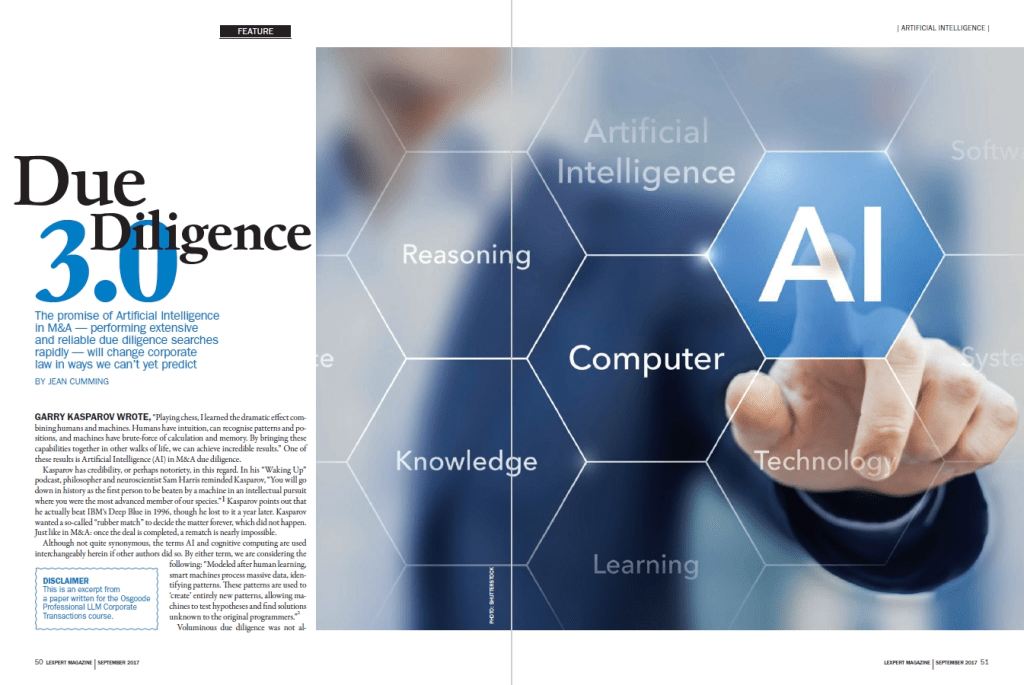
This article delves into the transformational impact of AI due diligence, highlighting how it revolutionizes risk assessment and decision-making processes.
The Role of Due Diligence in Modern Business
Understanding Due Diligence
Due diligence is a critical process in business transactions, involving a thorough investigation of a potential investment, acquisition, or partnership. It aims to uncover potential risks and ensure that all relevant facts are known before making significant decisions. Traditional due diligence relies heavily on manual data collection, analysis, and verification, which can be both time-consuming and prone to human error.
Challenges in Traditional Due Diligence
- Volume of Data: Businesses generate vast amounts of data, making it difficult for human analysts to process and analyze effectively.
- Complexity: The intricate nature of financial statements, legal documents, and compliance reports adds layers of complexity.
- Time Constraints: Manual due diligence can be a lengthy process, delaying crucial business decisions.
- Subjectivity: Human analysts may introduce biases, leading to inconsistent evaluations.
AI in Due Diligence: A Game Changer
Automation of Data Collection
AI technologies can automate the collection of data from various sources, including financial records, legal documents, and market analysis reports. This not only speeds up the process but also ensures that no critical information is overlooked.
Enhanced Data Analysis
- Natural Language Processing (NLP): NLP enables AI to understand and analyze textual data, such as contracts and legal documents, extracting key information and identifying potential risks.
- Machine Learning (ML): ML algorithms can identify patterns and anomalies in large datasets, providing deeper insights and more accurate risk assessments.
- Predictive Analytics: AI can predict potential future risks by analyzing historical data and identifying trends that may indicate future issues.
Improved Accuracy and Efficiency
AI-driven due diligence minimizes human error and bias, leading to more consistent and accurate assessments. The efficiency of AI allows businesses to conduct thorough due diligence in a fraction of the time required for traditional methods.
Key Benefits of AI-Powered Due Diligence
Speed and Efficiency
AI accelerates the due diligence process, enabling businesses to make informed decisions faster. This is particularly crucial in fast-paced industries where delays can result in lost opportunities.
Comprehensive Risk Assessment
AI can analyze vast amounts of data from diverse sources, providing a more holistic view of potential risks. This comprehensive approach ensures that no critical information is missed.
Cost Reduction
Automating due diligence reduces the need for extensive manual labor, leading to significant cost savings. Companies can allocate resources more effectively, focusing on strategic decision-making rather than data collection and analysis.
Enhanced Compliance
AI helps businesses stay compliant with regulatory requirements by continuously monitoring changes in laws and regulations. This proactive approach reduces the risk of non-compliance and associated penalties.
Case Studies: AI Transforming Due Diligence
Financial Services
In the financial sector, AI is revolutionizing due diligence by automating the analysis of financial statements, credit reports, and market data. This enables financial institutions to assess the creditworthiness of borrowers more accurately and quickly, reducing the risk of bad loans.
Mergers and Acquisitions
AI streamlines the due diligence process in mergers and acquisitions (M&A) by automating the review of legal documents, financial records, and compliance reports. This allows companies to identify potential risks and synergies more efficiently, facilitating smoother transactions.
Real Estate
AI-powered due diligence in real estate involves analyzing property records, market trends, and legal documents. This helps investors make more informed decisions, reducing the risk of investing in properties with hidden issues.
Challenges and Considerations
Data Privacy and Security
The use of AI in due diligence raises concerns about data privacy and security. Businesses must ensure that AI systems comply with data protection regulations and implement robust security measures to safeguard sensitive information.
Integration with Existing Systems
Integrating AI into existing due diligence processes can be challenging. Companies need to invest in the right technologies and training to ensure a seamless transition and maximize the benefits of AI.
Ethical Considerations
AI systems must be designed and implemented ethically to avoid biases and ensure fair assessments. This requires ongoing monitoring and refinement of AI algorithms to maintain their integrity and accuracy.
The Future of AI in Due Diligence
Continuous Improvement
As AI technologies continue to evolve, their capabilities in due diligence will only improve. Future advancements in machine learning, natural language processing, and predictive analytics will further enhance the accuracy and efficiency of due diligence processes.
Wider Adoption
The adoption of AI in due diligence is expected to increase across various industries. Companies that embrace AI-driven due diligence will gain a competitive edge, benefiting from faster, more accurate, and cost-effective risk assessments.
Collaboration between AI and Human Expertise
While AI offers significant advantages, human expertise remains crucial in due diligence. The future will likely see a collaborative approach, where AI handles data-intensive tasks and human analysts provide strategic insights and make final decisions.
Conclusion
The transformational impact of AI on due diligence is undeniable. By automating data collection, enhancing data analysis, and improving accuracy and efficiency, AI revolutionizes the way businesses assess risks and make decisions. As AI technologies continue to advance, the future of due diligence promises even greater accuracy, speed, and cost-effectiveness, empowering businesses to navigate the complexities of the modern business landscape with confidence.
By leveraging the power of AI, businesses can transform their due diligence processes, ensuring more informed, timely, and strategic decision-making. The integration of AI into due diligence is not just an enhancement—it’s a revolution that redefines the future of risk assessment and business strategy.
 AI4ever
Leave a comment