In the rapidly evolving world of fashion, Artificial Intelligence (AI) is revolutionizing every aspect of the industry, from design and production to marketing and retail.
This comprehensive guide explores the myriad benefits of AI in fashion and how it is reshaping the way we create, consume, and experience fashion.
Introduction
The fashion industry has always been synonymous with innovation and creativity. However, in recent years, the advent of AI has ushered in a new era of possibilities, enabling fashion brands to leverage data-driven insights, automation, and personalization to stay ahead of the curve. From trend forecasting and supply chain optimization to virtual try-ons and personalized shopping experiences, AI is transforming every aspect of the fashion value chain.
Understanding AI in Fashion
AI encompasses a wide range of technologies, including machine learning, computer vision, natural language processing, and predictive analytics, which simulate human intelligence to analyze data, identify patterns, and make informed decisions. In the context of fashion, AI enables brands to harness the power of data to drive innovation, improve efficiency, and enhance customer experiences.
Applications of AI in Fashion
Let’s explore the various applications of AI in the fashion industry:
1. Trend Forecasting
AI-powered trend forecasting algorithms analyze vast amounts of data from social media, runway shows, fashion blogs, and e-commerce platforms to identify emerging trends and consumer preferences. By leveraging predictive analytics and machine learning, fashion brands can anticipate market trends, design products that resonate with their target audience, and stay ahead of competitors.
2. Product Design and Development
AI algorithms can assist designers in the creative process by generating design ideas, creating digital sketches, and even designing custom garments based on customer preferences. By automating repetitive tasks and streamlining the design process, AI helps designers unleash their creativity, reduce time-to-market, and produce innovative and sustainable fashion collections.
3. Supply Chain Optimization
AI-driven supply chain optimization solutions analyze data from suppliers, manufacturers, logistics partners, and retailers to optimize inventory management, production scheduling, and logistics operations. By predicting demand, identifying bottlenecks, and optimizing distribution networks, AI helps fashion brands minimize costs, reduce lead times, and improve overall supply chain efficiency.
4. Personalized Marketing and Recommendations
AI-powered recommendation engines analyze customer data, purchase history, and browsing behavior to deliver personalized product recommendations, tailored promotions, and targeted marketing campaigns. By leveraging machine learning and predictive analytics, fashion brands can enhance customer engagement, increase sales conversions, and foster brand loyalty.
5. Virtual Try-On and Augmented Reality
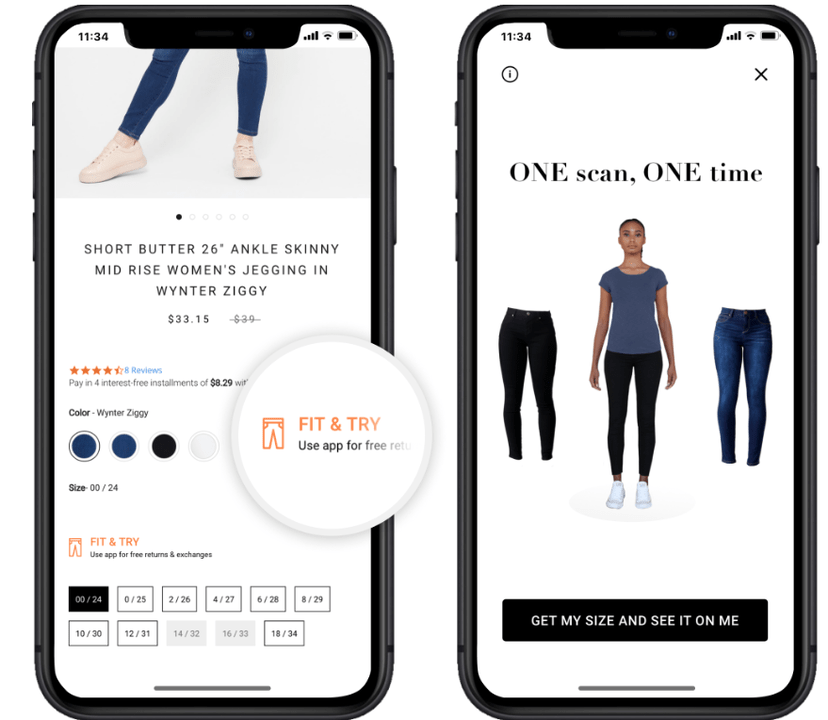
AI-powered virtual try-on and augmented reality (AR) technologies allow customers to visualize how clothing and accessories will look on them before making a purchase. By integrating computer vision and AR technology into their e-commerce platforms, fashion brands can offer immersive shopping experiences, reduce returns, and increase customer satisfaction.
6. Sustainable Fashion
AI can help fashion brands adopt more sustainable practices by optimizing material usage, reducing waste, and minimizing environmental impact. By analyzing data on material composition, production processes, and supply chain operations, AI enables brands to identify opportunities for improvement, implement circular economy principles, and promote sustainability throughout the value chain.
Benefits of AI in Fashion
The integration of AI into the fashion industry offers numerous benefits:
- Enhanced creativity and innovation in design
- Improved efficiency and productivity across the value chain
- Enhanced customer experiences and engagement
- Increased speed-to-market and agility in response to market trends
- More accurate demand forecasting and inventory management
- Reduced costs and waste through optimized processes and sustainability initiatives
Future Outlook
As AI technology continues to advance, its impact on the fashion industry is expected to grow exponentially. From AI-generated designs and personalized shopping experiences to sustainable practices and ethical production, AI will play a central role in shaping the future of fashion. By embracing AI-powered solutions, fashion brands can stay competitive, adapt to changing consumer preferences, and drive innovation in an increasingly digital and data-driven world.
Conclusion
AI is transforming the fashion industry, enabling brands to innovate, optimize operations, and deliver personalized experiences to consumers. From trend forecasting and product design to supply chain optimization and customer engagement, AI is reshaping every aspect of the fashion value chain. By harnessing the power of AI, fashion brands can unlock new opportunities for growth, sustainability, and creativity, ensuring their continued relevance in an ever-changing market landscape.
 AI4ever
Leave a comment