Predictive maintenance powered by Artificial Intelligence (AI) is revolutionizing the manufacturing industry, offering unparalleled opportunities to optimize equipment performance, minimize downtime, and reduce maintenance costs. This comprehensive guide explores the transformative impact, key applications, benefits, and implementation strategies of AI predictive maintenance in manufacturing.
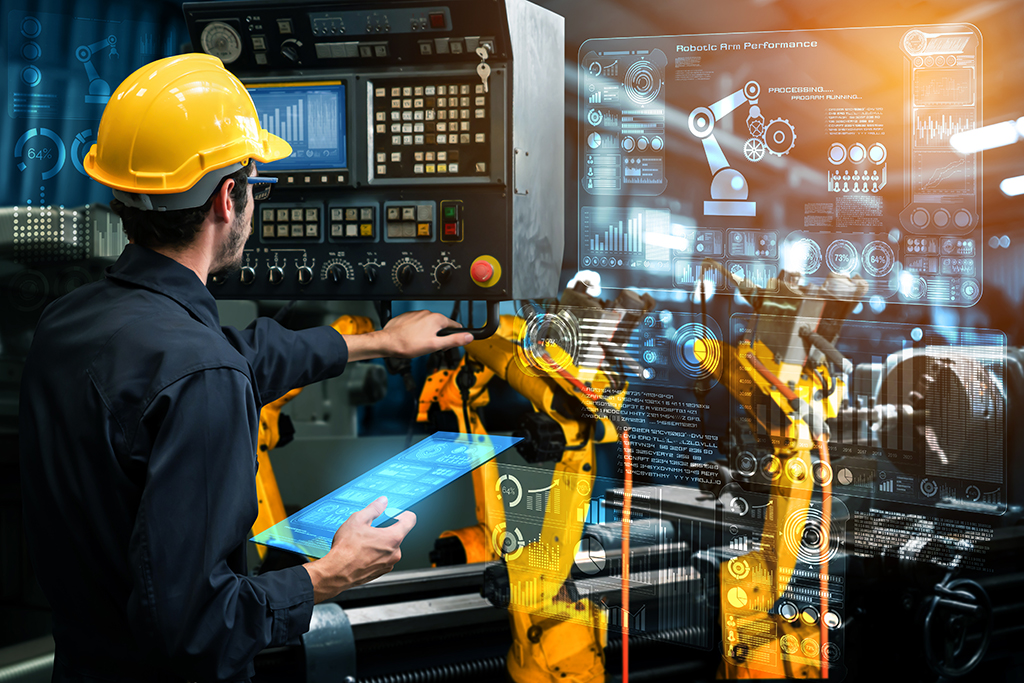
Understanding AI Predictive Maintenance
What is Predictive Maintenance?
Predictive maintenance is a proactive maintenance strategy that uses data analysis and machine learning algorithms to predict when equipment failures are likely to occur. By identifying potential issues before they escalate, predictive maintenance helps minimize downtime, optimize maintenance schedules, and extend equipment lifespan.
The Role of AI Predictive Maintenance in Manufacturing
AI plays a crucial role in predictive maintenance by analyzing vast amounts of sensor data, historical maintenance records, and other relevant information to detect patterns and anomalies indicative of impending equipment failures. Machine learning algorithms leverage this data to generate predictive insights and recommend appropriate maintenance actions.
Key Benefits of AI Predictive Maintenance
Minimized Downtime
By identifying potential equipment failures before they occur, AI predictive maintenance in manufacturing helps minimize unplanned downtime and production disruptions, ensuring continuous operation and maximizing productivity.
Optimized Maintenance Schedules
AI-powered predictive maintenance enables manufacturers to schedule maintenance activities proactively based on equipment condition and performance, optimizing maintenance schedules and reducing unnecessary maintenance costs.
Reduced Maintenance Costs
By focusing maintenance efforts on the most critical issues and prioritizing resources effectively, AI predictive maintenance helps reduce overall maintenance costs while ensuring equipment reliability and performance.
Extended Equipment Lifespan
By detecting and addressing potential issues early, AI predictive maintenance helps extend the lifespan of equipment, maximizing return on investment and minimizing the need for costly replacements or repairs.
Applications of AI Predictive Maintenance in Manufacturing
Equipment Health Monitoring
AI predictive maintenance systems continuously monitor equipment health and performance, analyzing sensor data in real-time to detect anomalies and deviations from normal operating conditions.
Failure Prediction and Diagnostics
AI algorithms analyze historical maintenance data and equipment performance metrics to predict when equipment failures are likely to occur and diagnose the root causes of issues.
Maintenance Action Recommendations
Based on predictive insights and diagnostic results, AI predictive maintenance systems recommend appropriate maintenance actions, such as repairs, replacements, or adjustments, to prevent potential failures and optimize equipment performance.
Implementation Strategies for AI Predictive Maintenance
Data Collection and Integration
Gather diverse datasets of equipment sensor data, historical maintenance records, and other relevant information from various sources across the manufacturing environment.
Model Development and Training
Develop and train machine learning models using supervised, unsupervised, or reinforcement learning techniques to analyze and interpret the collected data and generate predictive insights.
Deployment and Integration
Deploy AI predictive maintenance models into production environments and integrate them with existing systems and processes to facilitate seamless data exchange and decision-making.
Continuous Monitoring and Optimization
Continuously monitor the performance of AI predictive maintenance systems, collect feedback from users, and iterate on the models and algorithms to improve accuracy and effectiveness over time.
Considerations for Implementing AI Predictive Maintenance
Data Quality and Availability
Ensure access to high-quality data from sensors, equipment, and other relevant sources to train and deploy AI predictive maintenance models effectively.
Scalability and Integration
Design AI predictive maintenance solutions that are scalable and interoperable with existing systems and processes to facilitate seamless integration and adoption.
Talent Development
Invest in talent development and skills training programs to build internal capabilities and expertise in AI, data science, and related technologies.
Security and Privacy
Implement robust cybersecurity measures and data privacy controls to protect sensitive information and ensure compliance with regulatory requirements.
ROI Analysis
Conduct thorough cost-benefit analyses and ROI assessments to quantify the potential value and benefits of AI predictive maintenance initiatives and justify investments.
Conclusion: Harnessing AI Predictive Maintenance for Manufacturing Excellence
In conclusion, AI predictive maintenance is a game-changer for the manufacturing industry, offering unparalleled opportunities to optimize equipment performance, minimize downtime, and reduce maintenance costs. By leveraging AI-powered predictive maintenance solutions, manufacturers can achieve greater efficiency, reliability, and competitiveness in an increasingly competitive marketplace. By embracing AI predictive maintenance, companies can unlock new levels of operational excellence and pave the way for a brighter future in manufacturing.
 AI4ever
Leave a comment