In the dynamic realm of logistics and supply chain management, artificial intelligence (AI) is poised to redefine traditional processes, unlock new opportunities, and drive unprecedented innovation. As AI technologies continue to evolve at a rapid pace, the future potential of AI in logistics and supply chain is vast and promising.
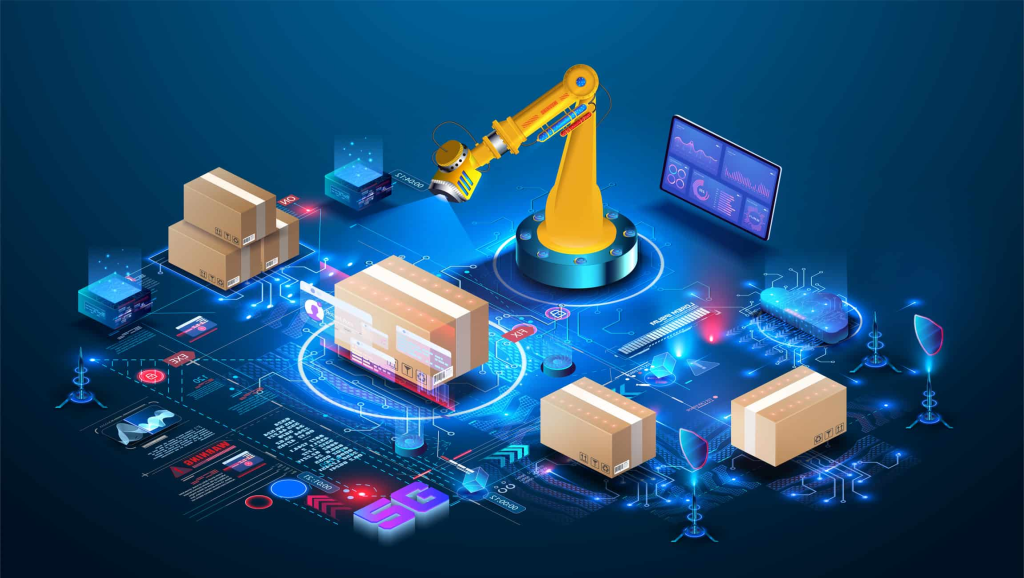
In this comprehensive guide, we’ll explore the future potential of artificial intelligence in logistics and supply chain, examining emerging trends, applications, challenges, and implications for businesses worldwide.
Understanding the Future Potential of AI in Logistics and Supply Chain
Artificial intelligence encompasses a diverse set of technologies and algorithms that enable machines to perform tasks that traditionally require human intelligence, such as learning, reasoning, and decision-making. In the context of logistics and supply chain management, AI holds immense potential to optimize operations, enhance visibility, and improve decision-making across the entire supply chain.
Emerging Trends in AI Technologies
- Machine Learning (ML): ML algorithms enable computers to learn from data and make predictions or decisions without being explicitly programmed. Future advancements in ML techniques, such as deep learning and reinforcement learning, are expected to drive significant improvements in various applications within logistics and supply chain management.
- Natural Language Processing (NLP): NLP allows computers to understand and generate human language, enabling applications such as chatbots, voice recognition systems, and text analytics. Future developments in NLP are poised to enhance communication, collaboration, and decision-making in logistics and supply chain operations.
- Computer Vision: Computer vision enables computers to interpret and analyze visual information from images or videos. Future advancements in computer vision algorithms are expected to revolutionize applications such as image recognition, object detection, and visual inspection in logistics and supply chain management.
- Predictive Analytics: Predictive analytics leverage AI and statistical techniques to forecast future outcomes based on historical data and trends. Future advancements in predictive analytics algorithms will enable more accurate demand forecasting, inventory optimization, and risk management in logistics and supply chain management.
Future Applications of AI in Logistics and Supply Chain
Let’s explore some of the potential applications of AI that are poised to transform the logistics and supply chain industry in the future:
1. Autonomous Vehicles and Drones
The future of logistics and supply chain management will witness the widespread adoption of autonomous vehicles and drones for transportation and delivery. AI-powered autonomous vehicles will optimize route planning, reduce transportation costs, and improve delivery efficiency, while drones will enable fast and efficient last-mile delivery in urban and remote areas.
2. Smart Warehousing and Robotics
Future warehouses will be equipped with AI-powered robots and automation technologies that optimize storage, picking, packing, and sorting operations. Smart warehouses will leverage AI algorithms to improve inventory management, increase order accuracy, and enhance operational efficiency, leading to faster order fulfillment and reduced labor costs.
3. Predictive Maintenance and Asset Management
AI-driven predictive maintenance algorithms will enable companies to predict equipment failures and perform preventive maintenance before breakdowns occur. Future asset management systems will leverage AI to optimize maintenance schedules, reduce downtime, and extend the lifespan of critical assets, such as vehicles, machinery, and infrastructure.
4. Supply Chain Optimization and Simulation
AI-powered optimization algorithms will enable companies to optimize their entire supply chain, from sourcing and production to distribution and delivery. Future supply chain optimization tools will leverage AI to balance cost, speed, and reliability, enabling companies to adapt quickly to changes in demand, market conditions, and supply chain disruptions.
Future Challenges and Considerations
Despite the immense potential of AI in logistics and supply chain, there are several challenges and considerations that need to be addressed:
1. Data Quality and Integration
Future AI-driven solutions will require high-quality, relevant data from multiple sources across the supply chain. Companies need to invest in data governance, data quality management, and data integration to ensure that their AI algorithms have access to accurate, reliable, and up-to-date data for training and optimization.
2. Ethical and Regulatory Concerns
The future of AI in logistics and supply chain will raise ethical and regulatory concerns related to privacy, bias, and transparency. Companies need to develop ethical guidelines, compliance frameworks, and governance mechanisms to ensure that their AI systems operate ethically, transparently, and in compliance with relevant regulations and standards.
3. Skills Gap and Talent Shortage
Future AI-driven solutions will require specialized skills and expertise in data science, machine learning, and software engineering. Companies need to invest in talent development, training programs, and recruitment strategies to attract and retain skilled professionals with the necessary expertise to design, develop, and deploy AI-powered solutions in logistics and supply chain management.
Future Implications for Businesses
The future potential of AI in logistics and supply chain has significant implications for businesses:
1. Competitive Advantage
Companies that embrace AI technologies in logistics and supply chain management will gain a competitive advantage by improving efficiency, reducing costs, and enhancing customer satisfaction. Future-ready businesses that leverage AI-powered solutions to optimize operations, enhance visibility, and improve decision-making will be better positioned to succeed in the increasingly competitive global marketplace.
2. Innovation and Differentiation
AI-driven innovation will enable companies to differentiate themselves by offering innovative products, services, and experiences to customers. Future-forward businesses that invest in AI research and development, pilot projects, and experimentation will be able to innovate faster, enter new markets, and create new revenue streams.
3. Agility and Resilience
AI-powered agility will enable companies to adapt quickly to changes in demand, market conditions, and supply chain disruptions. Future-ready businesses that leverage AI-driven analytics, optimization, and simulation tools will be able to anticipate risks, mitigate challenges, and respond effectively to emerging opportunities and threats in the dynamic business environment.
Conclusion
The future potential of artificial intelligence in logistics and supply chain is vast and promising. As AI technologies continue to evolve and mature, they will redefine traditional processes, unlock new opportunities, and drive unprecedented innovation in the logistics and supply chain industry. Future-ready businesses that embrace AI-powered solutions to optimize operations, enhance visibility, and improve decision-making will gain a competitive advantage and position themselves for long-term success in the digital age. By investing in talent development, data governance, and ethical frameworks, companies can harness the full potential of AI to transform their supply chain and logistics operations and create sustainable value for customers, partners, and stakeholders alike.
 AI4ever
Leave a comment