Introduction
In the rapidly evolving landscape of manufacturing, the integration of cutting-edge technologies is reshaping traditional processes. One such revolutionary technology is Generative Artificial Intelligence (AI), which has emerged as a game-changer in the manufacturing sector.
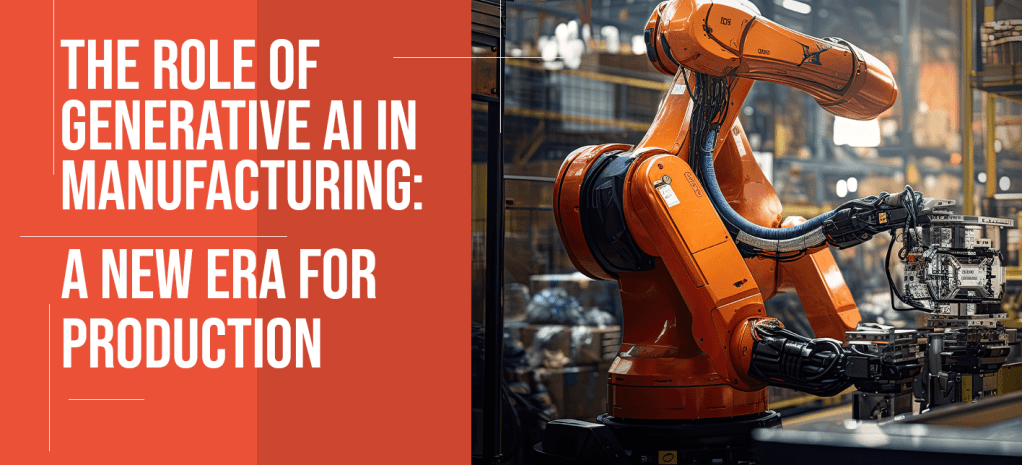
This article explores the meaning, role, and benefits of Generative AI platform for manufacturing, shedding light on how these intelligent systems are transforming the industry.
Understanding Generative AI in Manufacturing
1. What is Generative AI?
Generative AI is a subset of artificial intelligence that focuses on generating new, unique content rather than simply responding to predefined inputs. It utilizes advanced algorithms and machine learning models to autonomously create outputs, often based on patterns and data inputs. In the context of manufacturing, Generative AI platforms leverage these capabilities to design, optimize, and innovate various aspects of the production process.
2. The Role of Generative AI in Manufacturing
a. Design Optimization:
Generative AI plays a pivotal role in optimizing product designs. By analyzing extensive datasets and considering various parameters such as cost, durability, and manufacturability, these platforms generate design alternatives swiftly. This not only accelerates the design process but also leads to more efficient and innovative solutions.
b. Process Automation:
Automation is a hallmark of Generative AI platform for manufacturing. From optimizing production lines to automating quality control processes, these platforms reduce manual intervention, minimize errors, and enhance overall operational efficiency.
c. Supply Chain Management:
Generative AI contributes to efficient supply chain management by predicting demand, optimizing inventory levels, and identifying the most effective distribution routes. This results in cost savings, minimized delays, and a resilient supply chain.
d. Predictive Maintenance:
Unplanned downtime due to equipment failure is a significant challenge in manufacturing. Generative AI models analyze sensor data to predict when equipment is likely to fail, enabling proactive maintenance and preventing costly disruptions.
e. Customization and Personalization:
Consumer preferences are increasingly geared towards personalized products. Generative AI facilitates mass customization by efficiently generating and adapting designs to meet individual customer preferences, providing a competitive advantage for manufacturers.
Benefits of Implementing Generative AI in Manufacturing
1. Efficiency Enhancement:
Generative AI platforms streamline manufacturing processes, from design to production. By automating repetitive tasks and optimizing workflows, manufacturers experience a significant boost in operational efficiency.
2. Cost Reduction:
The implementation of Generative AI leads to cost savings across various areas. From optimized supply chain management to predictive maintenance, manufacturers can reduce expenses associated with downtime, excess inventory, and inefficient processes.
3. Innovation Acceleration:
Generative AI promotes innovation by quickly generating and evaluating numerous design alternatives. This accelerates the product development cycle, enabling manufacturers to bring new and improved products to market faster.
4. Quality Improvement:
Automating quality control processes and predicting potential issues through predictive maintenance contribute to enhanced product quality. This, in turn, reduces defects, waste, and the likelihood of product recalls.
5. Adaptability and Flexibility:
Manufacturing environments are subject to constant changes. Generative AI platforms enable manufacturers to adapt swiftly to these changes by offering agile solutions and quickly adjusting production processes.
6. Data-Driven Decision-Making:
Generative AI relies on vast amounts of data to make informed decisions. Manufacturers can leverage this data-driven approach to gain valuable insights into their operations, identify areas for improvement, and make strategic decisions based on real-time information.
Case Studies: Real-world Applications of Generative AI in Manufacturing
1. Automotive Industry:
In the automotive sector, Generative AI is used to optimize vehicle designs for factors like fuel efficiency and safety. Manufacturers can quickly generate and evaluate thousands of design variations to identify the most efficient and cost-effective solutions.
2. Aerospace Manufacturing:
Generative AI plays a crucial role in the aerospace industry by optimizing complex designs for components such as aircraft wings. This not only enhances performance but also contributes to weight reduction and fuel efficiency.
3. Consumer Electronics:
In the fast-paced world of consumer electronics, Generative AI is employed to design sleek and compact devices. Manufacturers can iterate through design options rapidly, ensuring that products not only meet performance requirements but also align with consumer preferences.
4. Pharmaceutical Manufacturing:
Generative AI is utilized in pharmaceutical manufacturing to optimize the process of drug formulation. By analyzing molecular structures and predicting potential outcomes, manufacturers can expedite the drug development process and bring new medications to market more efficiently.
Challenges and Considerations
While the benefits of Generative AI in manufacturing are substantial, there are challenges and considerations that manufacturers must address when implementing these technologies.
1. Data Security and Privacy:
Handling large volumes of sensitive data raises concerns about security and privacy. Manufacturers need robust cybersecurity measures to protect proprietary information and ensure compliance with data protection regulations.
2. Skill Gap:
Implementing Generative AI requires a workforce with expertise in data science and AI. The industry may face a skill gap, and manufacturers need to invest in training programs to upskill their employees or hire qualified professionals.
3. Integration with Existing Systems:
Integrating Generative AI platforms with existing manufacturing systems can be complex. Compatibility issues and the need for seamless integration may pose challenges, requiring careful planning and coordination.
4. Ethical Considerations:
As AI becomes more prevalent in manufacturing, ethical considerations arise, such as the responsible use of AI, accountability for decision-making, and ensuring that AI systems do not contribute to bias or discrimination.
Future Outlook
The integration of Generative AI in manufacturing is expected to continue evolving, with advancements in technology and increased adoption across industries. Future developments may include:
1. Generative AI for Sustainability:
Manufacturers are likely to leverage Generative AI to design more sustainable products and processes, considering factors such as energy efficiency, reduced waste, and environmentally friendly materials.
2. Collaborative Generative Design:
Collaborative platforms that allow multiple stakeholders to contribute to generative design processes may become more prevalent. This approach fosters innovation by bringing together diverse perspectives and expertise.
3. AI-Driven Supply Chain Resilience:
Generative AI could play a crucial role in building resilient supply chains that can adapt to unforeseen disruptions. Predictive analytics and optimization algorithms can enhance the agility of supply chain management.
4. Explainable AI in Manufacturing:
As AI systems become more complex, the need for explainability increases. Future Generative AI platforms may focus on providing transparent explanations of their decision-making processes, addressing concerns related to trust and accountability.
Conclusion
Generative AI consulting has emerged as a transformative force in the manufacturing industry, offering unprecedented opportunities for efficiency, innovation, and cost reduction. From design optimization to supply chain management, the applications of Generative AI are diverse and impactful. As manufacturers navigate the implementation of these technologies, addressing challenges related to data security, skill development, and ethical considerations becomes paramount.
The future of manufacturing undoubtedly lies in intelligent automation, and Generative AI is at the forefront of this transformative journey. As technology continues to advance, manufacturers embracing Generative AI will not only stay competitive but also lead the way in shaping the future of manufacturing, where efficiency, sustainability, and innovation converge to create a new paradigm in the industrial landscape.
 AI4ever
Leave a comment