Introduction
In the ever-evolving landscape of technology, businesses are constantly seeking innovative solutions to stay ahead in the competitive market. One such groundbreaking development is the advent of Enterprise Generative AI Platforms. These platforms represent a paradigm shift in how organizations approach automation, decision-making, and problem-solving. This article delves into the benefits and the pivotal role played by Enterprise Generative AI Platforms in shaping the future of enterprise operations.
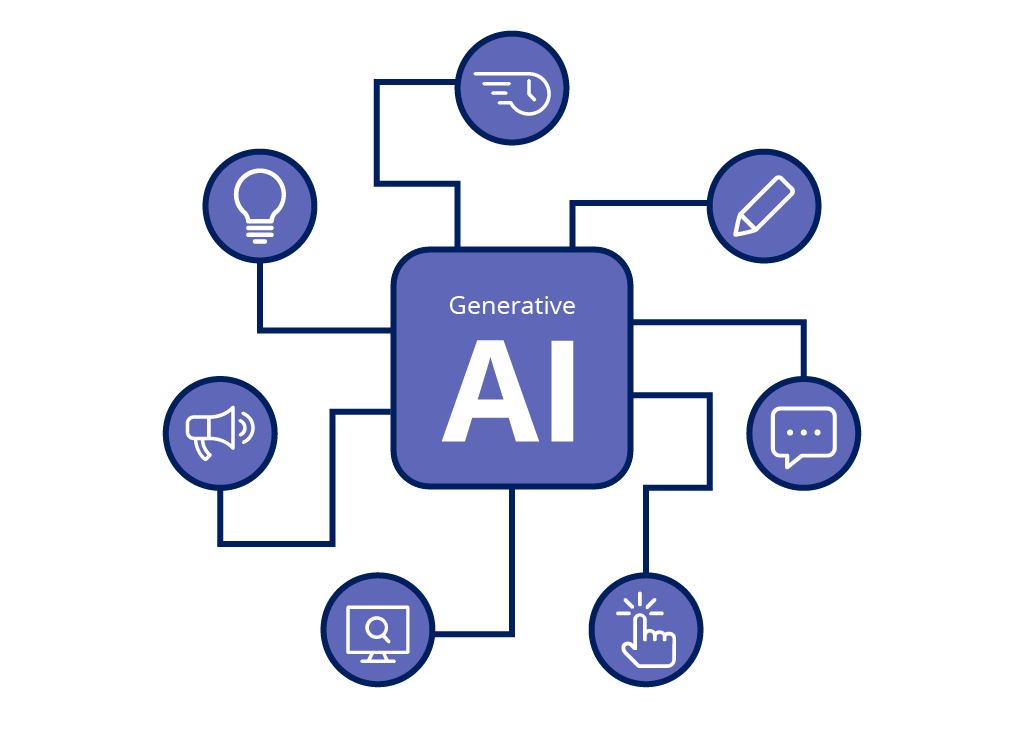
Understanding Generative AI
Before we explore the merits and functions of Enterprise Generative AI Platforms, it is essential to comprehend the concept of Generative AI. Generative AI involves the use of algorithms to generate new content, ideas, or solutions autonomously. Unlike traditional AI systems that operate based on predefined rules, generative AI can learn and adapt, making it a powerful tool for various applications.
What is an Enterprise Generative AI Platform?
An Enterprise Generative AI Platform is a comprehensive solution that integrates generative AI capabilities into an organization’s workflow. These platforms go beyond simple automation tasks and are designed to understand, learn, and generate creative solutions to complex business problems. They leverage advanced machine learning algorithms, natural language processing, and other AI techniques to provide a holistic approach to enterprise challenges.
Key Components of an Enterprise Generative AI Platform
- Machine Learning Algorithms: These form the backbone of generative AI platforms, enabling them to analyze data, identify patterns, and make predictions or generate solutions.
- Natural Language Processing (NLP): NLP capabilities empower the platform to understand and generate human-like language. This is particularly beneficial for applications such as chatbots, content creation, and customer support.
- Deep Learning: Deep learning models enable the platform to process and understand complex information, making it adept at handling intricate tasks that require a high level of cognitive processing.
- Data Integration: The platform seamlessly integrates with various data sources within the enterprise, ensuring that it has access to the most relevant and up-to-date information.
- Adaptability and Learning: Enterprise Generative AI Platforms continuously learn from their interactions, adapting to changes in the business environment and improving their performance over time.
Benefits of Enterprise Generative AI Platforms
1. Enhanced Decision-Making
Enterprise Generative AI Platforms empower organizations with data-driven insights for better decision-making. By analyzing vast datasets, these platforms can identify trends, forecast outcomes, and recommend optimal courses of action. This not only accelerates the decision-making process but also improves the overall quality of decisions.
2. Increased Operational Efficiency
Automation is a cornerstone of Enterprise Generative AI Platforms. By automating routine and repetitive tasks, these platforms free up human resources to focus on more strategic and creative aspects of their roles. This results in increased operational efficiency, reduced errors, and a streamlined workflow.
3. Personalized Customer Experiences
Generative AI, coupled with NLP, enables organizations to offer personalized customer experiences. Whether through chatbots, recommendation engines, or personalized content creation, these platforms can tailor interactions to individual preferences, enhancing customer satisfaction and loyalty.
4. Innovation and Creativity
One of the most notable advantages of generative AI is its ability to generate creative solutions. Enterprise Generative AI Platforms can be harnessed for ideation, problem-solving, and even product innovation. By augmenting human creativity with AI-generated ideas, organizations can stay at the forefront of innovation.
5. Adaptability to Market Changes
In today’s fast-paced business environment, adaptability is key to survival. Enterprise Generative AI Platforms, with their learning capabilities, enable organizations to quickly adapt to market changes. Whether it’s adjusting pricing strategies, modifying marketing campaigns, or optimizing supply chain operations, these platforms ensure agility in response to dynamic market conditions.
6. Risk Mitigation
Generative AI excels in analyzing vast datasets to identify potential risks and vulnerabilities. Enterprise Generative AI Platforms can be instrumental in risk management by providing early warnings, predicting potential issues, and recommending proactive measures to mitigate risks.
7. Cost Savings
While the initial investment in implementing an Enterprise Generative AI Platform may be substantial, the long-term cost savings are significant. The automation of tasks, coupled with improved efficiency and reduced errors, leads to cost reductions in various aspects of business operations.
Role of Enterprise Generative AI Platforms in Different Business Functions
1. Marketing and Sales
Generative AI platforms play a crucial role in marketing and sales by analyzing customer behavior, predicting trends, and personalizing marketing campaigns. They can automate lead generation, optimize advertising strategies, and enhance customer engagement through personalized interactions.
2. Customer Support
The integration of NLP in Enterprise Generative AI Platforms makes them invaluable in customer support functions. Chatbots powered by generative AI can understand and respond to customer queries, provide troubleshooting assistance, and offer a seamless support experience, improving customer satisfaction.
3. Human Resources
In HR functions, generative AI can assist in talent acquisition by automating the screening of resumes, conducting initial interviews through chatbots, and recommending suitable candidates based on predefined criteria. This accelerates the recruitment process and ensures a more efficient selection of candidates.
4. Finance and Accounting
Enterprise Generative AI Platforms can streamline financial processes by automating routine tasks such as invoice processing, expense management, and financial reporting. They can also analyze financial data to identify cost-saving opportunities and ensure compliance with regulations.
5. Product Development and Innovation
Innovation is at the core of generative AI platforms. These platforms can assist in product development by generating design ideas, predicting market demand, and even simulating product performance. By incorporating AI-generated insights, organizations can enhance their product development processes.
6. Supply Chain Management
Generative AI excels in analyzing large datasets, making it an ideal tool for optimizing supply chain operations. These platforms can predict demand fluctuations, optimize inventory levels, and identify potential bottlenecks in the supply chain, contributing to increased efficiency and cost savings.
7. Quality Assurance
In manufacturing and other industries, Enterprise Generative AI Platforms can be employed for quality assurance. They can analyze production data, identify patterns related to product defects, and recommend adjustments to improve product quality.
Challenges and Considerations
While the benefits of Enterprise Generative AI Platforms are substantial, it is essential to acknowledge and address potential challenges. Some key considerations include:
1. Ethical Concerns
The use of AI, particularly in decision-making processes, raises ethical considerations. It is crucial to ensure that AI systems are designed and implemented in a way that prioritizes fairness, transparency, and accountability.
2. Data Security and Privacy
Generative AI platforms rely on vast amounts of data, and ensuring the security and privacy of this data is paramount. Organizations must implement robust data protection measures to prevent unauthorized access or misuse of sensitive information.
3. Integration with Existing Systems
Integrating a new technology into existing systems can be a complex process. Compatibility issues, data migration, and system interoperability need to be carefully addressed to ensure a seamless integration of Enterprise Generative AI Platforms.
4. Skill Gaps and Training
As generative AI is a relatively new field, there might be skill gaps within organizations. Training existing staff or hiring individuals with expertise in AI and machine learning is essential to maximize the benefits of these platforms.
5. Regulatory Compliance
Adherence to industry regulations and compliance standards is crucial when implementing generative AI in enterprise settings. Organizations must stay informed about relevant regulations and ensure that their AI systems comply with legal requirements.
Case Studies: Success Stories of Enterprise Generative AI Implementation
1. Healthcare: Predictive Diagnostics
A leading healthcare provider implemented an Enterprise Generative AI Platform to enhance diagnostic accuracy. The platform analyzed medical records, images, and patient data to predict potential health risks and recommend personalized treatment plans. This resulted in improved patient outcomes, reduced misdiagnoses, and more efficient healthcare delivery.
2. E-commerce: Personalized Recommendations
An e-commerce giant utilized generative AI to enhance its recommendation engine. The platform analyzed customer browsing history, purchase behavior, and preferences to generate personalized product recommendations. This led to a significant increase in sales, improved customer satisfaction, and a more engaging online shopping experience.
3. Manufacturing: Predictive Maintenance
In the manufacturing sector, an Enterprise Generative AI Platform was deployed for predictive maintenance. By analyzing sensor data from machinery and equipment, the platform could predict potential failures before they occurred. This resulted in reduced downtime, lower maintenance costs, and increased overall operational efficiency.
4. Finance: Fraud Detection
A financial institution implemented a generative AI solution for fraud detection and prevention. The platform analyzed transaction data, user behavior, and historical patterns to identify potential fraudulent activities. This proactive approach significantly reduced instances of fraud, safeguarding the financial well-being of the institution and its clients.
Future Outlook
The role of Enterprise Generative AI Platforms is poised to expand further as technology continues to advance. Here are some anticipated developments in the future:
1. Integration with Emerging Technologies
Generative AI platforms will likely integrate with other emerging technologies such as blockchain, edge computing, and 5G to enhance their capabilities further. This integration will result in more robust, secure, and efficient enterprise solutions.
2. Exponential Growth in Use Cases
As organizations become more adept at harnessing the power of generative AI, the number and diversity of use cases will see exponential growth. From personalized education solutions to AI-generated creative content, the applications of generative AI will extend across various industries and functions.
3. Advancements in Explainable AI
To address concerns related to transparency and accountability, future generative AI platforms will likely incorporate advancements in explainable AI. This will enable users to understand and interpret the reasoning behind AI-generated decisions, fostering trust in the technology.
4. AI-driven Innovation Hubs
Enterprises may establish dedicated AI-driven innovation hubs to foster collaboration between data scientists, domain experts, and business leaders. These hubs will serve as centers for ideation, experimentation, and the development of innovative solutions using Enterprise Generative AI Platforms.
Conclusion
Enterprise Generative AI Platforms represent a transformative force in the business world, reshaping how organizations operate, innovate, and make decisions. The benefits of these platforms are far-reaching, from enhancing decision-making and operational efficiency to fostering creativity and personalized customer experiences. However, it is crucial for organizations to navigate the challenges associated with ethical considerations, data security, and integration complexities.
As we look to the future, the continued evolution of generative AI, coupled with advancements in complementary technologies, promises a landscape where intelligent automation becomes ingrained in the fabric of enterprise operations. The success stories of generative AI development in various sectors underscore its potential to drive positive change and propel businesses toward a more intelligent and adaptive future.
 AI4ever
Leave a comment