Introduction
In the dynamic landscape of the business world, the ability to make smart decisions is a cornerstone for success. Businesses that navigate challenges, capitalize on opportunities, and adapt swiftly to changing environments often owe their success to effective decision-making processes. In this comprehensive article, we will delve into why smart decision-making is crucial for business success, with a particular focus on the transformative role of Artificial Intelligence (AI) in shaping and optimizing decision-making processes.
1. Foundations of Business Success: The Importance of Smart AI Decision-Making
1.1 Navigating Uncertainty and Complexity
Business environments are characterized by uncertainty, complexity, and rapid changes. Smart AI decision making equips businesses with the ability to navigate through uncertainties and complexities effectively. In the face of challenges such as market fluctuations, competitive pressures, and technological advancements, the decisions made by business leaders become the compass guiding the organization toward success.
1.2 Capitalizing on Opportunities
Opportunities often come disguised as challenges, and recognizing and seizing them requires astute decision-making. Businesses that can identify and capitalize on emerging trends, market gaps, and strategic alliances position themselves for growth and success. Smart decision-making involves not only assessing the current landscape but also foreseeing future trends and proactively positioning the business to exploit opportunities as they arise.
1.3 Maximizing Operational Efficiency
Operational efficiency is a key determinant of business success. Smart decision-making involves optimizing processes, allocating resources judiciously, and streamlining operations to enhance overall efficiency. This not only contributes to cost savings but also ensures that the business operates at peak performance, delivering value to customers and stakeholders.
2. The Evolving Landscape: AI and Decision-Making
2.1 The Rise of Artificial Intelligence
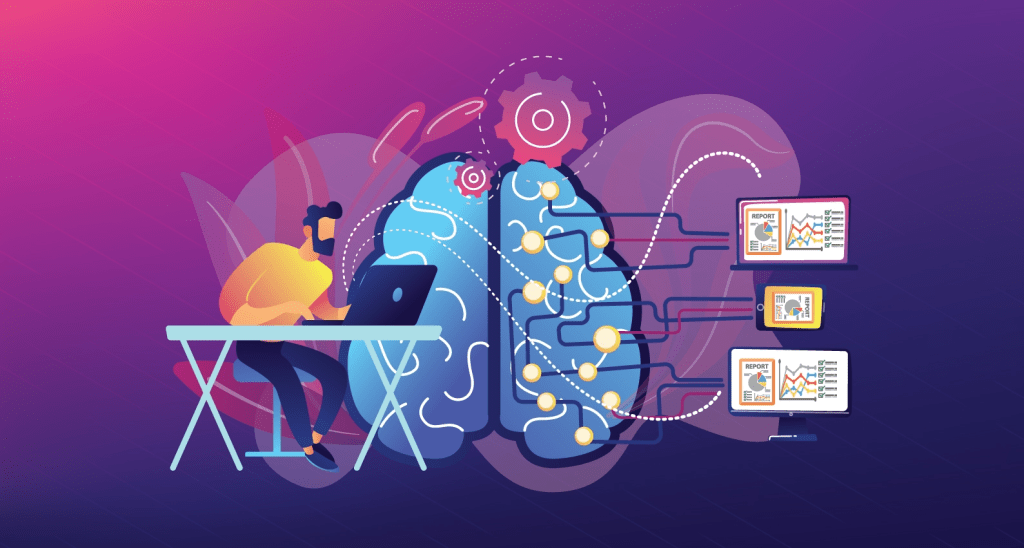
Artificial Intelligence has emerged as a transformative force in various industries, and its impact on decision-making processes in business is particularly profound. AI systems, equipped with advanced algorithms and machine learning capabilities, have the capacity to analyze vast datasets, extract meaningful insights, and make data-driven predictions. This shift from intuition-based decision-making to data-driven decision-making marks a paradigm shift in how businesses approach strategic choices.
2.2 Enhancing Data Analysis and Insights
AI excels at processing and analyzing massive datasets at speeds beyond human capability. This capability is invaluable for businesses drowning in a sea of data. AI algorithms can uncover patterns, trends, and correlations within datasets, providing decision-makers with deep insights into market dynamics, consumer behavior, and operational efficiency. The ability to derive actionable insights from complex data sets empowers businesses to make informed decisions with a higher likelihood of success.
2.3 Predictive Analytics and Forecasting
One of the hallmarks of AI in decision-making is its capacity for predictive analytics and forecasting. By leveraging historical data and employing sophisticated algorithms, AI systems can forecast future trends, market conditions, and potential outcomes of strategic decisions. This predictive capability enables businesses to adopt a proactive approach, anticipating challenges and opportunities before they materialize, and adjusting their strategies accordingly.
3. Optimizing Decision-Making Processes with AI
3.1 Automation of Routine Decisions
AI is particularly effective in automating routine and repetitive decision-making processes. This includes tasks such as inventory management, pricing optimization, and resource allocation. By automating these routine decisions, businesses can free up human resources to focus on more complex and strategic aspects of decision-making, thereby increasing overall efficiency.
3.2 Personalization and Customer-Centric Decisions
In industries where customer preferences play a pivotal role, AI facilitates highly personalized and customer-centric decision-making. For instance, in e-commerce, AI algorithms can analyze customer behavior, predict preferences, and recommend products or services tailored to individual needs. This level of personalization not only enhances the customer experience but also contributes to increased customer loyalty and satisfaction.
3.3 Risk Management and Mitigation
Smart AI decision-making involves not only capitalizing on opportunities but also managing and mitigating risks effectively. AI contributes significantly to risk management by assessing potential risks, identifying vulnerabilities, and proposing risk mitigation strategies. The ability to analyze vast amounts of data in real-time enables businesses to stay ahead of potential threats, ensuring a proactive and strategic approach to risk management.
3.4 Strategic Planning and Scenario Analysis
AI supports strategic planning by conducting scenario analysis and modeling various outcomes based on different variables. This capability is particularly valuable in uncertain environments where the outcomes of strategic decisions are contingent on a multitude of factors. AI-driven scenario analysis allows businesses to evaluate the potential impact of different strategies, helping them choose the most optimal path forward.
4. Challenges and Considerations in Implementing AI in Decision-Making
4.1 Data Privacy and Security
The integration of AI in decision-making processes raises concerns about data privacy and security. As AI systems rely heavily on data, ensuring the protection of sensitive information is crucial. Businesses must implement robust security measures, adhere to data protection regulations, and establish ethical guidelines for the responsible use of AI in decision-making.
4.2 Bias and Fairness
AI algorithms are susceptible to biases present in the data used for training. If historical data contains biases, the AI system may perpetuate and amplify these biases in decision-making. Addressing bias in AI models is a critical consideration, requiring continuous monitoring, transparency, and efforts to develop fair and unbiased algorithms.
5. The Future Trajectory: AI as a Strategic Imperative for Decision-Making
5.1 Integration into Everyday Operations
The future of AI in decision-making envisions seamless integration into everyday business operations. AI systems will become an integral part of organizational workflows, contributing to decision-making at various levels. From routine operational decisions to high-stakes strategic choices, AI will be a strategic imperative for businesses aiming to stay competitive in a rapidly evolving landscape.
5.2 Enhanced Human-AI Collaboration
As AI continues to advance, the future will witness enhanced collaboration between humans and AI systems. Decision-makers will leverage AI as a collaborative tool, combining human intuition, creativity, and contextual understanding with the analytical and predictive capabilities of AI. This collaborative synergy will result in more nuanced and effective decision-making processes.
5.3 Democratization of AI
The democratization of AI tools and technologies will empower businesses of all sizes to leverage the benefits of AI in decision-making. As AI becomes more accessible and user-friendly, organizations without extensive technical expertise will be able to integrate AI solutions into their decision-making processes. This democratization will level the playing field, allowing a diverse range of businesses to harness the power of AI for success.
Conclusion
Smart AI decision-making is undeniably crucial for business success, serving as the compass that guides organizations through uncertain terrains and towards new horizons. The integration of Artificial Intelligence into decision-making processes marks a transformative era, where data-driven insights, predictive analytics, and automation enhance the efficacy of strategic choices. While challenges related to data privacy, bias, and security must be addressed, the future trajectory of AI in decision-making envisions a landscape where businesses that embrace these technologies gain a competitive edge. As we navigate the evolving intersection of human intuition and AI-driven analytics, the role of AI in business decision-making becomes not just a tool but a strategic imperative for those aspiring to thrive in the ever-evolving business ecosystem.
 AI4ever
Leave a comment