In today’s fast-paced business environment, managing contracts efficiently is paramount for organizations across industries. Contracts govern crucial aspects of business relationships, including terms, conditions, obligations, and rights. However, traditional contract management processes often involve cumbersome manual tasks, leading to inefficiencies, errors, and missed opportunities. To address these challenges, an increasing number of businesses are turning to AI-based contract management solutions. This article explores what AI-based contract management entails and why it’s becoming essential in modern business operations.
What is AI-Based Contract Management?
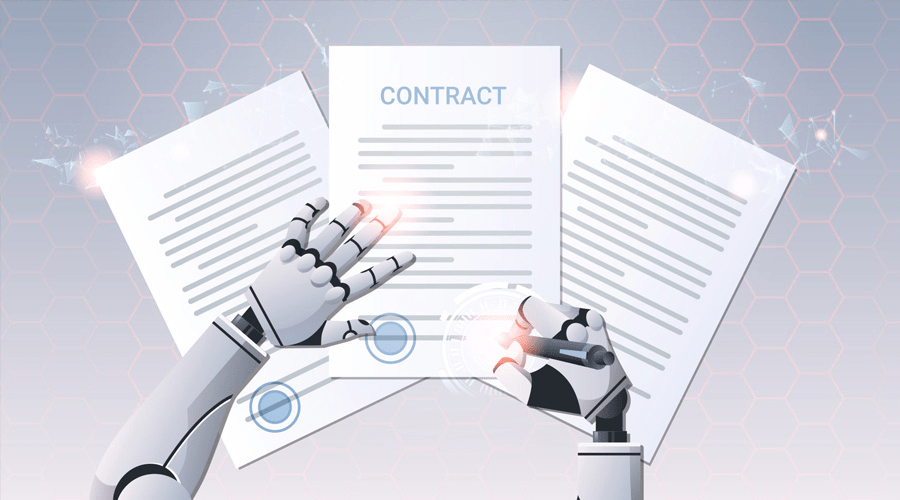
AI-based contract management refers to the application of artificial intelligence (AI) technologies to streamline and enhance various stages of the contract lifecycle. These stages typically include contract creation, negotiation, execution, monitoring, and analysis. By leveraging AI capabilities such as natural language processing (NLP), machine learning (ML), and robotic process automation (RPA), organizations can automate repetitive tasks, extract insights from large volumes of contract data, mitigate risks, and improve overall contract management efficiency.
Key Components of AI-Based Contract Management:
- Natural Language Processing (NLP): NLP enables computers to understand and interpret human language. In contract management, NLP algorithms can analyze contract documents to extract key information such as clauses, obligations, dates, and parties involved. This capability facilitates faster contract review and enables users to search and retrieve relevant contract data more efficiently.
- Machine Learning (ML): ML algorithms can learn from historical contract data to identify patterns, trends, and anomalies. By training ML models on past contract outcomes, organizations can predict contract performance, assess risks, and optimize contract terms to achieve desired outcomes. ML also powers intelligent contract drafting tools that can suggest language based on predefined templates and best practices.
- Robotic Process Automation (RPA): RPA technology automates repetitive and rule-based tasks involved in contract management, such as data entry, document generation, and notification reminders. By eliminating manual intervention, RPA enhances accuracy, reduces processing times, and frees up employees to focus on more strategic activities.
Why Do We Need AI for Contract Management?
The adoption of AI in contract management offers numerous benefits that address the limitations of traditional contract management processes. Let’s delve into some compelling reasons why AI-based contract management is increasingly indispensable:
1. Enhanced Efficiency and Productivity:
Manual contract management processes are often time-consuming and labor-intensive, requiring personnel to sift through piles of documents, input data manually, and track deadlines manually. AI-based contract management solutions automate these tasks, significantly reducing the time and effort required to manage contracts. By automating routine tasks, employees can focus on higher-value activities, leading to increased productivity and operational efficiency.
2. Improved Contract Compliance and Risk Management:
Non-compliance with contractual obligations and failure to manage risks effectively can lead to costly disputes, penalties, and reputational damage. AI-based contract management systems help organizations ensure compliance by monitoring contract terms, deadlines, and performance metrics in real-time. Moreover, AI-powered risk assessment tools can analyze contract language, identify potential risks, and recommend mitigating actions to stakeholders, enabling proactive risk management.
3. Accelerated Contract Lifecycle:
The traditional contract lifecycle involves multiple stages, including drafting, negotiation, approval, execution, and renewal. Each stage requires coordination among various stakeholders, leading to delays and bottlenecks. AI streamlines the contract lifecycle by automating repetitive tasks, expediting document review, and facilitating collaboration among stakeholders. As a result, organizations can shorten contract cycles, accelerate time-to-revenue, and capitalize on business opportunities more quickly.
4. Enhanced Contract Visibility and Insights:
In manual contract management processes, gaining insights from contract data is challenging due to the sheer volume of documents and disparate systems. AI-based contract management solutions offer advanced analytics capabilities that enable organizations to gain deeper insights into their contract portfolios. By analyzing contract data, organizations can identify trends, track performance metrics, and make data-driven decisions to optimize contract terms, pricing strategies, and supplier relationships.
5. Scalability and Adaptability:
As businesses grow and evolve, their contract management needs become more complex and diverse. AI-based contract management solutions are highly scalable and adaptable, capable of handling large volumes of contracts and accommodating changing business requirements. Whether managing a few dozen contracts or thousands of contracts across multiple jurisdictions, AI can scale to meet the needs of organizations of all sizes and industries.
Conclusion:
AI-based contract management represents a transformative shift in how organizations manage their contractual relationships. By harnessing the power of AI technologies such as NLP, ML, and RPA, businesses can streamline contract processes, improve compliance, mitigate risks, and drive operational efficiency. As the volume and complexity of contracts continue to grow, the adoption of AI in contract management will become increasingly imperative for organizations seeking to gain a competitive edge in today’s dynamic business landscape. Embracing AI-based contract management is not just a matter of convenience but a strategic imperative for organizations looking to thrive in the digital age.
 AI4ever
Leave a comment