In the rapidly evolving landscape of the logistics and supply chain industry, Artificial Intelligence (AI) has emerged as a game-changer, redefining the way businesses manage and optimize their operations. This article explores the multifaceted role of AI in supply chain management, delving into its applications, benefits, and the transformative impact it has on the efficiency and competitiveness of organizations.
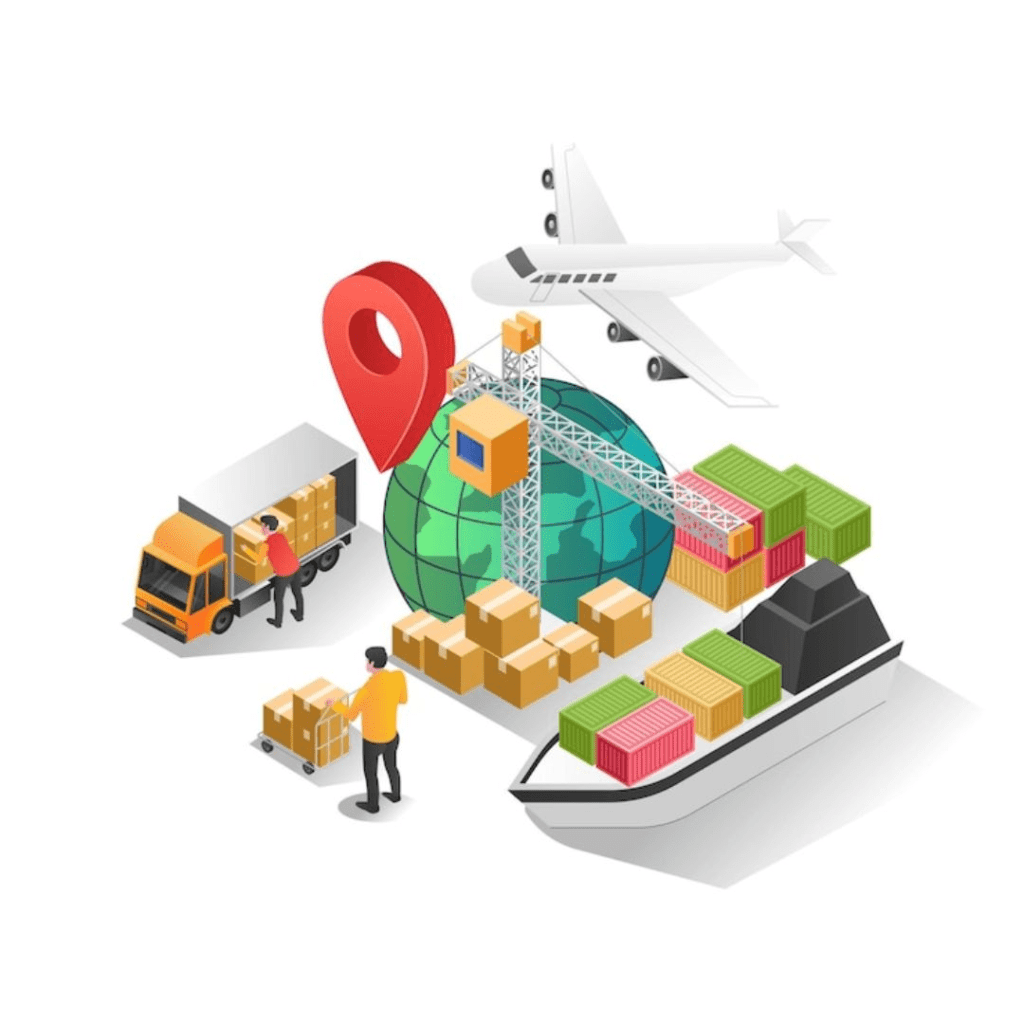
I. Understanding AI in Supply Chain
1.1 Definition and Scope
AI in supply chain refers to the integration of advanced technologies, such as machine learning, data analytics, and automation, to enhance decision-making processes, streamline operations, and improve overall efficiency within the supply chain.
1.2 Key Components of AI in Supply Chain
a. Machine Learning Algorithms: These algorithms enable systems to learn from data patterns and make predictions or decisions without explicit programming.
b. Predictive Analytics: AI leverages historical data and real-time information to forecast demand, optimize inventory levels, and enhance supply chain visibility.
c. Robotics and Automation: Automated systems and robots play a crucial role in warehouses and distribution centers, performing tasks such as picking, packing, and sorting with precision and speed.
II. Applications of AI in Supply Chain
2.1 Demand Forecasting and Inventory Management
One of the primary applications of AI in the supply chain is demand forecasting. AI algorithms analyze historical data, market trends, and external factors to predict future demand accurately. This aids businesses in optimizing inventory levels, reducing excess stock, and minimizing stockouts.
2.2 Warehouse Management and Robotics
AI-driven robotics revolutionize warehouse operations by automating routine tasks, increasing efficiency, and reducing errors. Autonomous robots can navigate warehouses, pick and pack products, and manage inventory, ultimately reducing labor costs and enhancing overall productivity.
2.3 Route Optimization and Logistics Planning
AI algorithms optimize transportation routes by considering various factors such as traffic conditions, weather, and delivery constraints. This results in reduced transportation costs, improved delivery times, and enhanced customer satisfaction.
2.4 Supplier Relationship Management
AI facilitates the management of supplier relationships through predictive analytics and risk assessment. By analyzing supplier performance data, organizations can identify potential risks, enhance collaboration, and make informed decisions to strengthen their supply chain.
III. Benefits of Implementing AI in Supply Chain
3.1 Improved Efficiency and Productivity
The integration of AI technologies streamlines supply chain processes, reducing manual intervention and enhancing overall efficiency. Automation of repetitive tasks, such as data entry and inventory management, allows employees to focus on strategic decision-making, fostering a more productive work environment.
3.2 Enhanced Accuracy and Precision
AI-driven systems significantly reduce errors in various supply chain activities. From demand forecasting to order fulfillment, the precision offered by AI algorithms minimizes the likelihood of inaccuracies, leading to improved customer satisfaction and trust.
3.3 Cost Reduction and Resource Optimization
AI enables organizations to optimize their resources by automating processes and minimizing waste. From inventory management to route optimization, the implementation of AI technologies results in reduced operational costs and improved resource allocation.
IV. Challenges and Considerations in Implementing AI in Supply Chain
4.1 Data Security and Privacy Concerns
The increased reliance on AI in supply chain management brings about concerns regarding the security and privacy of sensitive data. Organizations must implement robust cybersecurity measures to safeguard critical information from potential threats and unauthorized access.
4.2 Integration Complexity
The integration of AI technologies into existing supply chain systems may pose challenges, particularly in terms of compatibility and interoperability. Companies need to carefully plan and execute the integration process to ensure a smooth transition and avoid disruptions in operations.
4.3 Workforce Training and Adaptation
As AI systems become integral to supply chain operations, organizations must invest in training programs to upskill their workforce. Ensuring that employees are well-versed in operating and managing AI-driven technologies is crucial for successful implementation.
V. Case Studies: Exemplifying AI Success Stories in Supply Chain
5.1 Amazon: Transforming Warehouse Operations
Amazon, a trailblazer in the application of AI in logistics, utilizes robotic systems in its warehouses for tasks such as order picking and packing. This has significantly increased operational efficiency, reduced order fulfillment times, and improved overall customer satisfaction.
5.2 DHL: Optimizing Transportation Routes
DHL, a global logistics leader, employs AI algorithms to optimize transportation routes. By considering real-time data on traffic conditions, weather, and delivery constraints, DHL achieves cost savings and enhances the reliability of its delivery services.
VI. Future Trends in AI and Supply Chain Management
6.1 Continued Integration of IoT and AI
The Internet of Things (IoT) will play an increasingly pivotal role in supply chain management, working in tandem with AI. The combination of AI and IoT technologies will enable real-time tracking, monitoring, and analysis of assets, providing unprecedented visibility and control over the entire supply chain.
6.2 Advancements in Predictive Analytics
The evolution of predictive analytics powered by AI will lead to more accurate and sophisticated forecasting models. Businesses will be able to anticipate market trends, demand fluctuations, and supply chain disruptions with greater precision, allowing for proactive decision-making.
6.3 Expansion of AI in Sustainability Practices
AI will contribute to the development of sustainable supply chain practices by optimizing routes to reduce carbon emissions, minimizing waste through improved inventory management, and fostering eco-friendly manufacturing processes.
Conclusion
In conclusion, the integration of Artificial Intelligence into logistics and supply chain management is a transformative journey that offers unprecedented opportunities for businesses to enhance efficiency, reduce costs, and stay competitive in a rapidly changing marketplace. As organizations continue to embrace AI technologies, it is imperative to navigate challenges, invest in workforce training, and stay abreast of emerging trends to harness the full potential of AI in shaping the future of supply chain management. The symbiotic relationship between AI and the supply chain heralds a new era of innovation and optimization, promising sustained growth and resilience for businesses across diverse industries.
 AI4ever
Leave a comment